
Choose the method
Pan-frying uses a thin film of oil and works for eggs, fish, and tofu. Shallow-frying brings oil partway up the food for cutlets and fritters. Deep-frying surrounds food in oil and calls for a sturdy pot, a thermometer, and more careful setup. The pan, shallow or deep guide helps you pick, and the air fryer comparison covers the fourth option.
Set up before you heat
Put a rack over a tray, clear a landing place for hot tools, and dry the food. For deep-frying, use a stable, deep pot with headroom and a thermometer suited to hot oil. Follow the pot or fryer’s safe fill limit; adding food makes the oil rise. The equipment guide explains the tools worth having, and what to look for in each.
Pick the oil
Use an oil suited to the heat of the job. Neutral, high-heat oils are the usual choice for deep-frying. How to choose a frying oil has the details, including allergy notes.
Control the heat
Food should sizzle steadily on contact without violent spattering or smoking oil. A deep-fry thermometer is the reliable way to follow oil temperature; many deep-fried foods cook in the 350–375°F range, but the recipe and equipment instructions come first. If the oil smokes, turn down or turn off the heat and let it cool. Keeping oil at temperature goes deeper.
Dry, space, and wait
Surface moisture fights browning and can cause dangerous splatter. Pat food dry, add it gently away from you, and leave room between pieces. A crowded pan cools quickly; let it recover before the next batch. Wait for a crust to set before turning.
Check the center
A brown crust says little about the center of meat or fish. Lift a piece from the oil and check its thickest part with a clean food thermometer. Use the current safe minimum temperature for that ingredient. The fry chart shows the safe internal temperature next to each food it lists where one applies.
Finish for crunch
Lift fried food onto a rack so steam can escape. Season while hot and serve promptly. Never leave hot oil unattended, and let it cool completely before moving, straining or disposing of it. See what to do with used frying oil.
Your first three fries
Start with something forgiving and build up:
- Pan: lacy-edge fried eggs teach heat control and timing with almost no risk.
- Shallow: golden chicken cutlets teach coating, batching and doneness checks.
- Deep: pub-style fish and chips puts setup, oil temperature and safety together.
When something goes wrong
Soggy, greasy, dark outside and raw inside, or smoking oil: each has a cause and a fix. Start with why fried food turns soggy, then the troubleshooting index, which has a page for each common symptom. Read a calm, safer frying setup before your first deep fry.
Where to go next
- Look up a specific food on the fry chart or browse by food family.
- Weigh two options in the comparison pages.
- Cook from the recipes.
Put it into practice
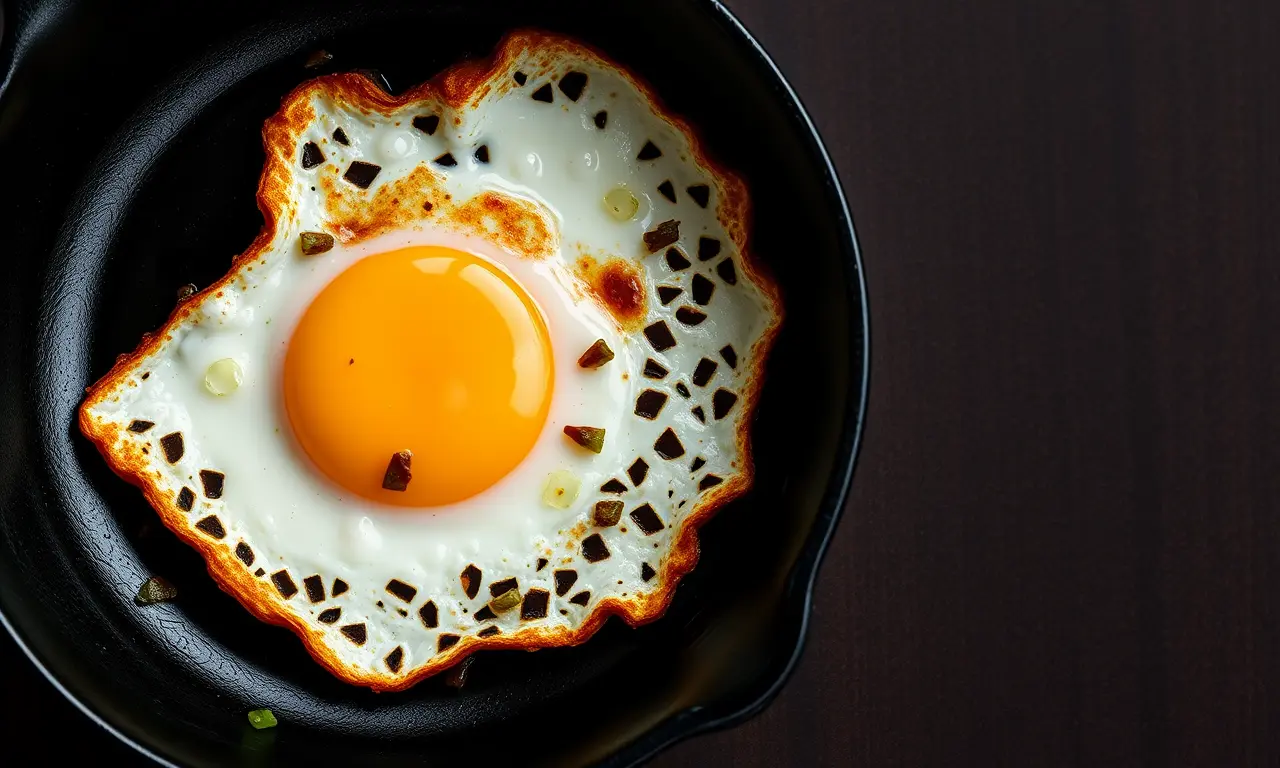 Lacy-edge fried eggs
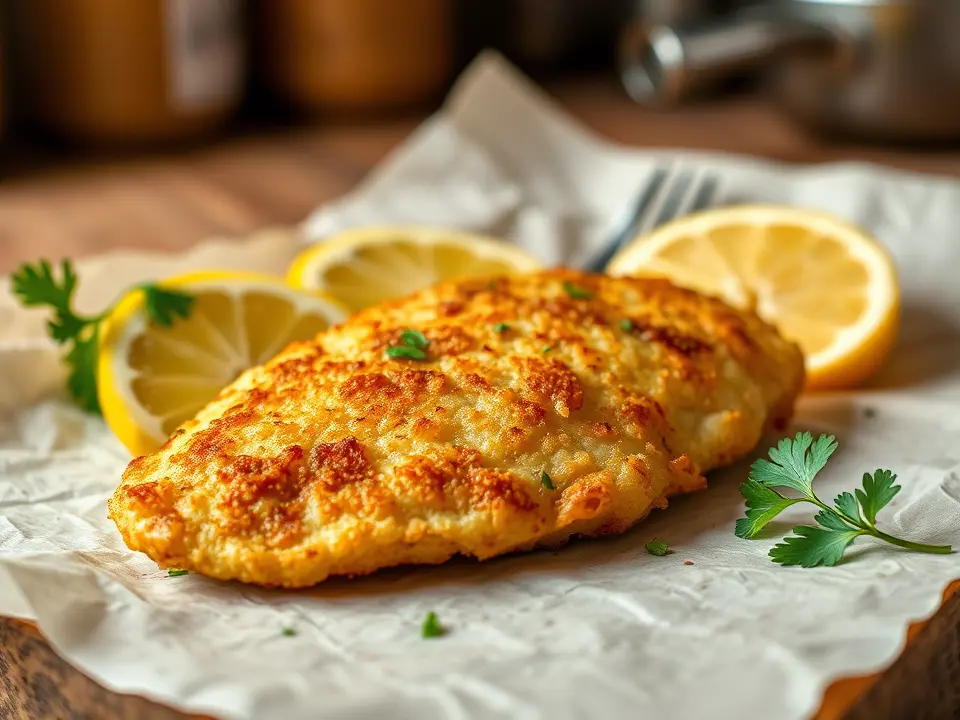 Golden chicken cutlets
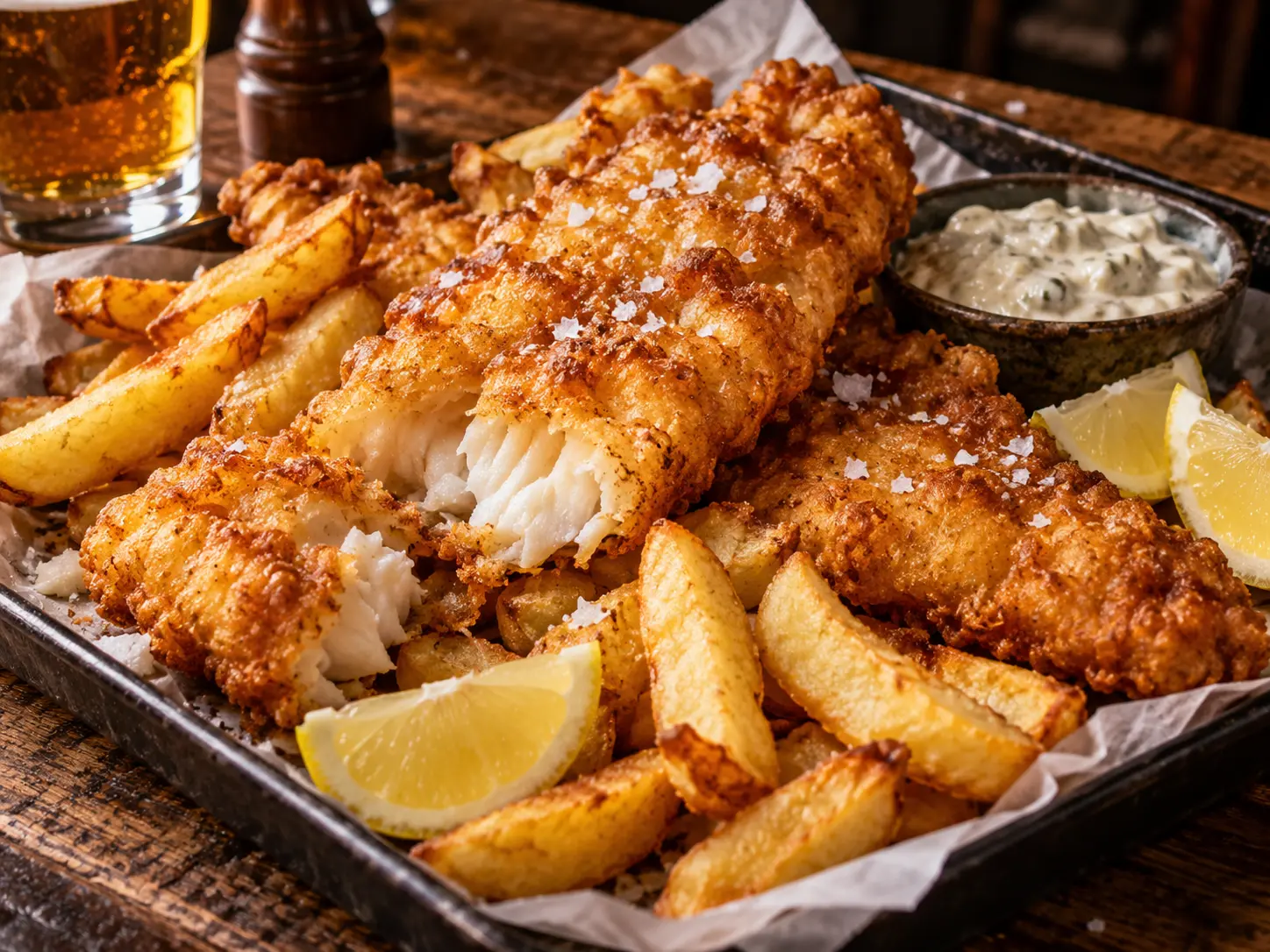 Pub-style fish and chips
Safety references
Check current guidance when cooking for food safety.