
The honest answer: use a thermometer
Oil does not change much in how it looks between a good frying temperature and a poor one. A clip-on or probe thermometer that reads high temperatures is the only way to know what the oil is actually doing, and USDA's food-safety service has a page on deep-fry thermometers (linked below). The temperatures for specific foods are on the fry chart. This page covers the checks cooks use when a thermometer is not within reach, and what each one can tell you.
Signs that oil is not ready
Cold oil is calm and still, and food put into it sinks and soaks up fat before it ever crisps. If the surface of the oil is perfectly smooth and nothing happens when you test it, keep heating.
The wooden spoon test
Dip the handle of a clean, dry wooden spoon into the oil. Small bubbles streaming steadily from the wood mean the oil is hot enough to start frying; no bubbles mean it is not. This tells you the oil is above a minimum, but it cannot tell you how far above, so it is a go/no-go check and not a measurement.
The bread cube or batter drop
Drop in a small cube of bread, or a spoonful of batter if you are making tempura or fritters. A steady, lively sizzle and gradual browning is what you want. Immediate dark browning means the oil is too hot, while a lazy, greasy bubble means it is too cool. Do the test with a piece of food you are willing to discard.
The sacrificial first piece
Treat the first piece of food as the test. Fry one fry, one shrimp or one wing, and look at it: pale and oily says increase the heat, dark outside and raw inside says decrease it. Why fried food is dark outside and raw inside and why fried food is greasy describe both outcomes.
Signs that oil is too hot
- Visible smoke rising from the surface.
- Food that browns almost instantly.
- A sharp, acrid smell.
If the oil is smoking, turn the heat down or off and let it cool before adding anything. Why frying oil smokes lists causes, and a calm, safer frying setup covers what to do if it gets out of hand.
Temperature drops when you add food
Even when you start at the right temperature, adding food cools the oil, and large or cold batches cool it more. Fry in small batches, wait for the oil to recover between them, and re-check. How to keep frying oil at temperature goes through the habits.
Which method to trust
Use a thermometer when you can. Use the spoon or bread cube to confirm that the oil is in the right neighborhood, never to hit a specific number. And choose an oil with a smoke point that suits what you are doing, as in how to choose a frying oil.
Put it into practice
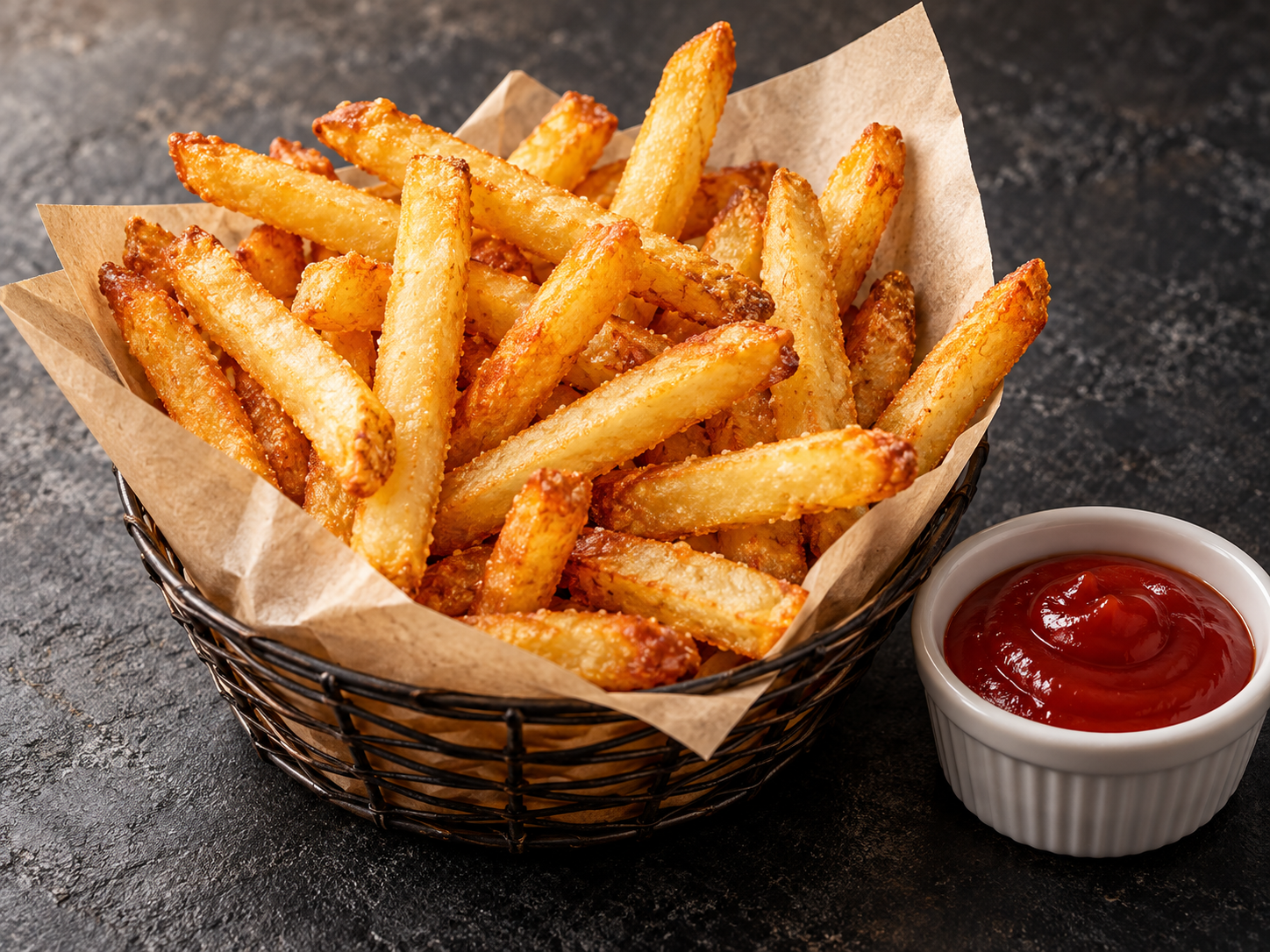 Classic crispy french fries
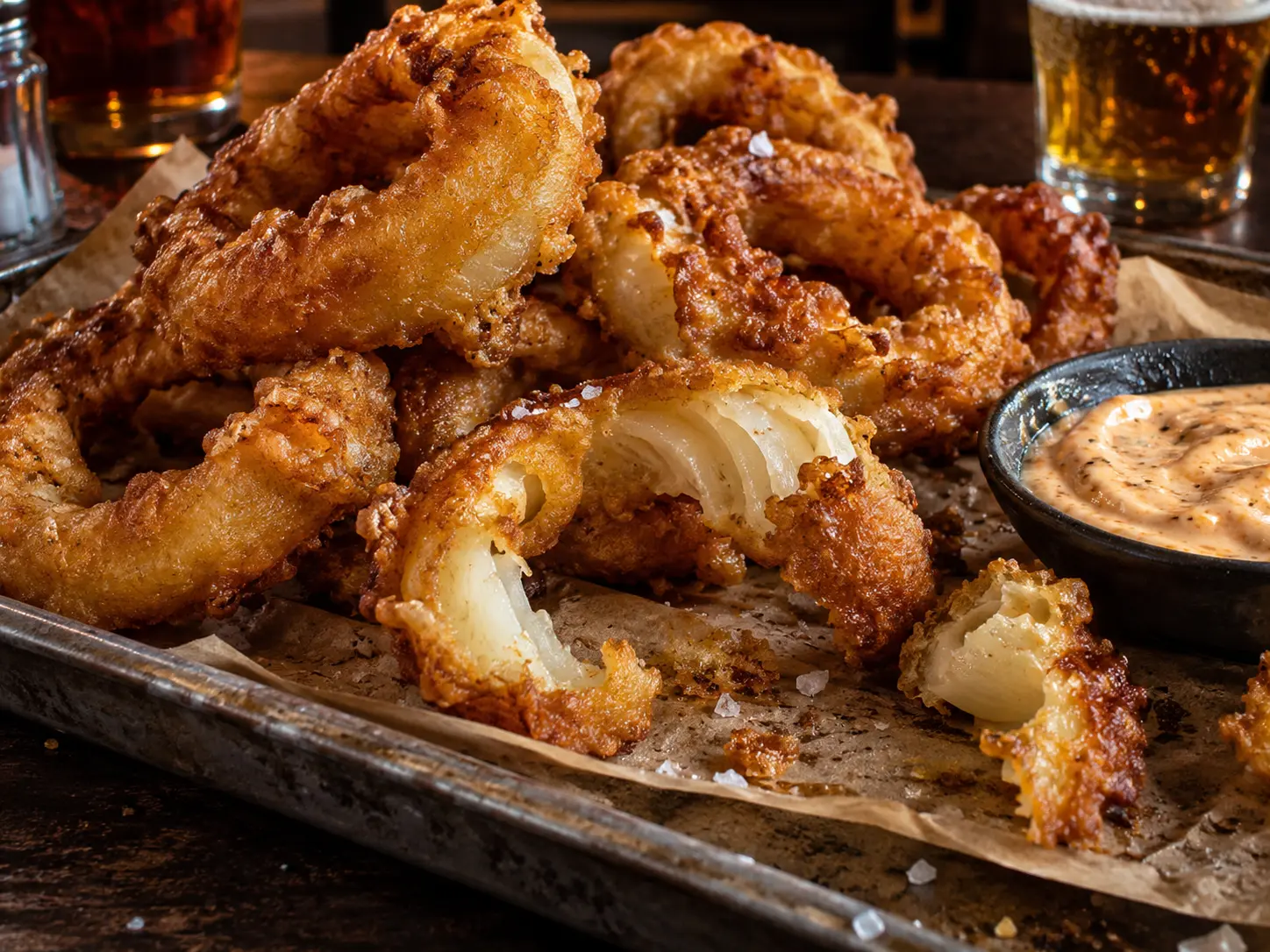 Proper crunchy onion rings
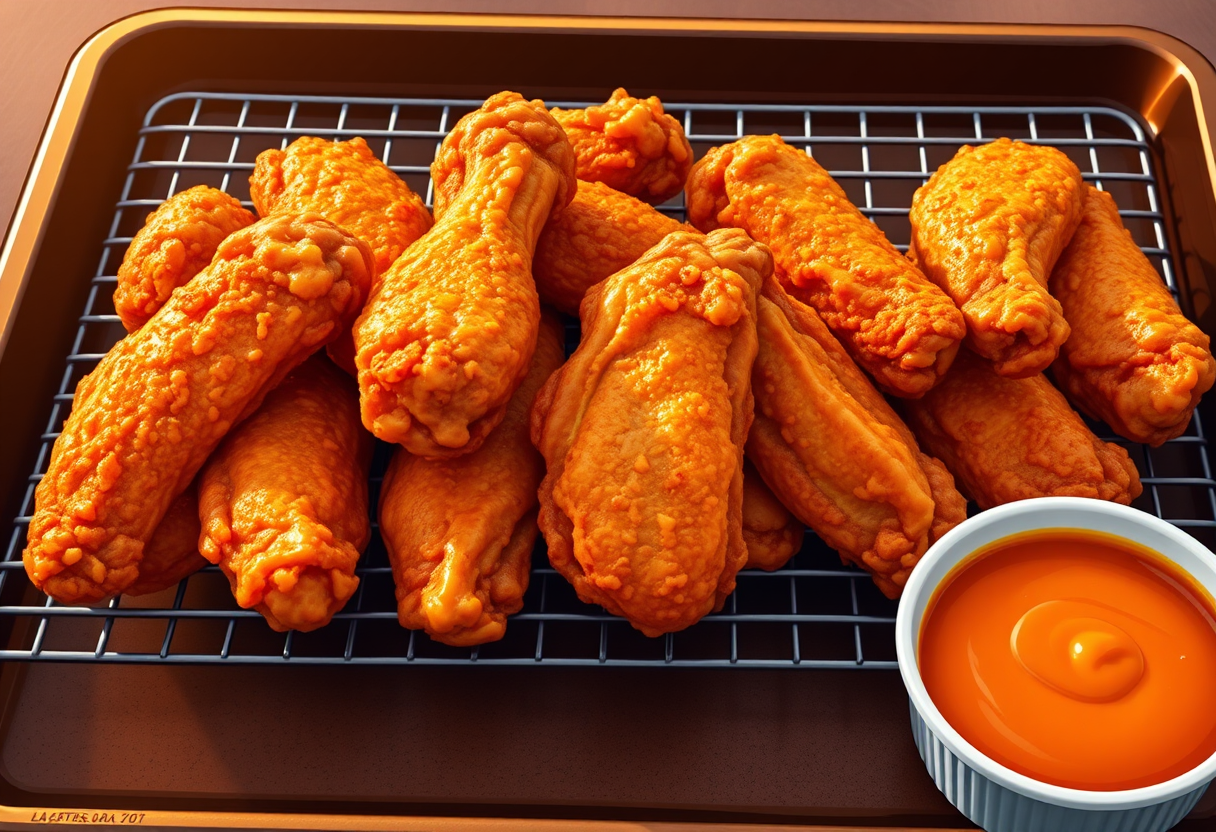 Crispy deep-fried chicken wings
Safety references
Check current guidance when cooking for food safety.