
Use a thermometer made for oil
A clip-on deep-fry thermometer follows the oil while food cooks. Keep its sensing area immersed but away from the pot’s base, which can read hotter than the oil. An instant-read food probe is useful for checking the cooked food after lifting it out; it does a different job.
Start with the recipe target
Many deep-fried foods cook with oil in the 350–375°F (about 175–190°C) range. This is a general range, not a target for every ingredient. Use the recipe’s starting temperature and your equipment guidance, then watch what the oil does after food goes in.
Expect a drop
Adding cool food lowers oil temperature. Give pieces room and add only a small batch at once. If the temperature falls sharply, let it recover before the next batch rather than increasing the load.
Adjust between batches
Turn the burner in small steps and allow time for the oil to respond. The thermometer and the food together tell the story: weak bubbling and pale, heavy coating suggest the oil is cool; browning far before the center cooks suggests it is too hot.
When it gets too hot
If the oil smokes, turn the heat down or off and let it cool. Never add water to cool oil. Keep a lid close by, stay at the stove, and follow your equipment’s safe fill level.
Check the food separately
Oil temperature helps the crust form but does not prove that meat or fish is safely cooked. Lift food out and use a clean food thermometer in its thickest part. Follow current minimum temperatures for the ingredient.
Put it into practice
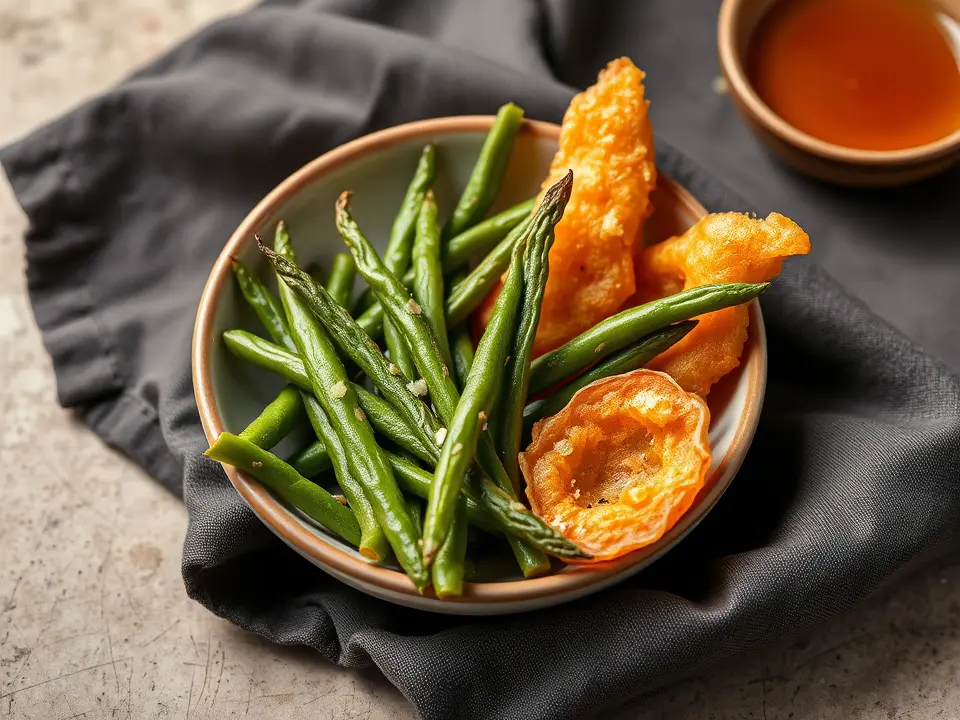 Quick vegetable tempura
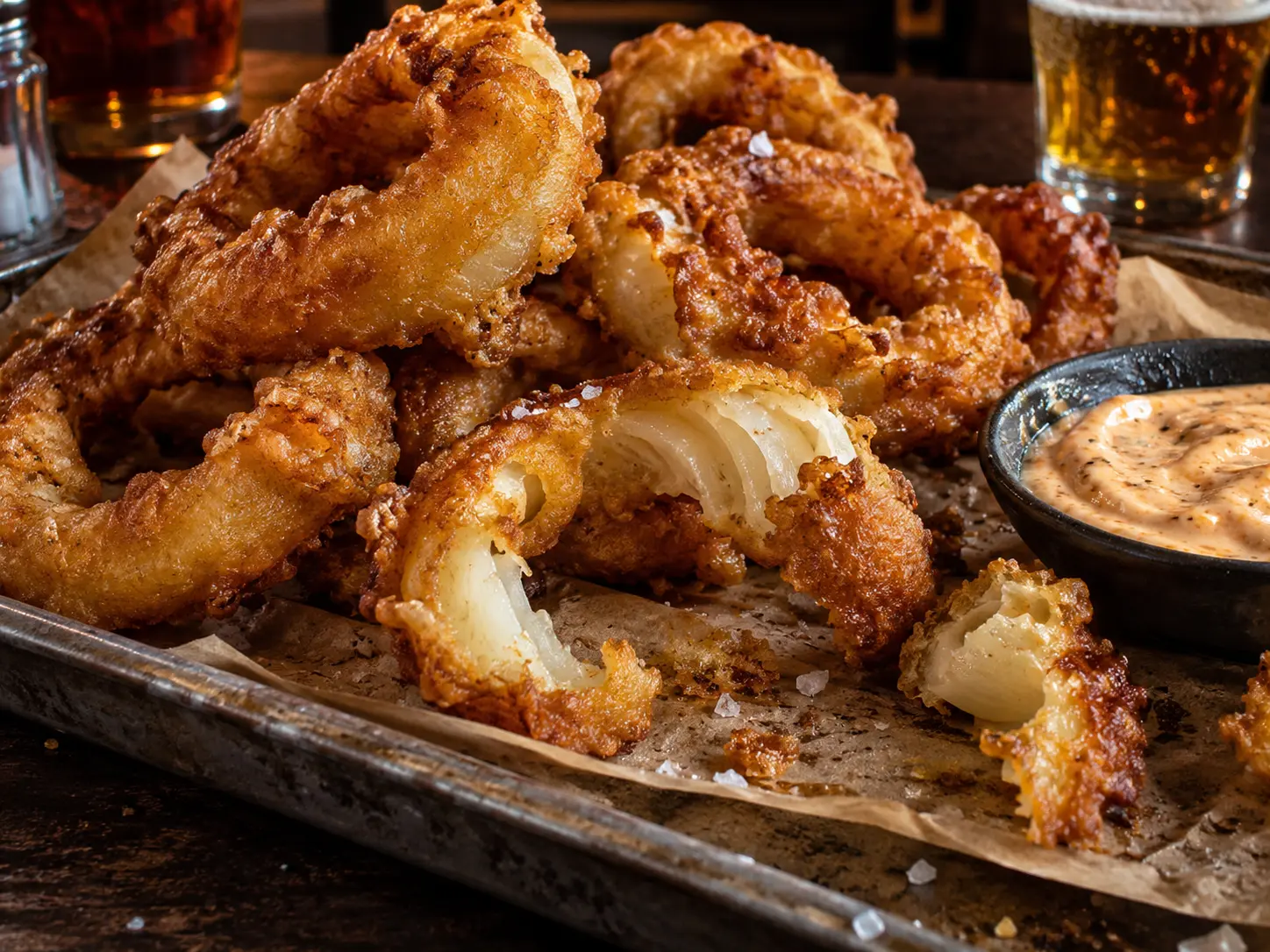 Proper crunchy onion rings
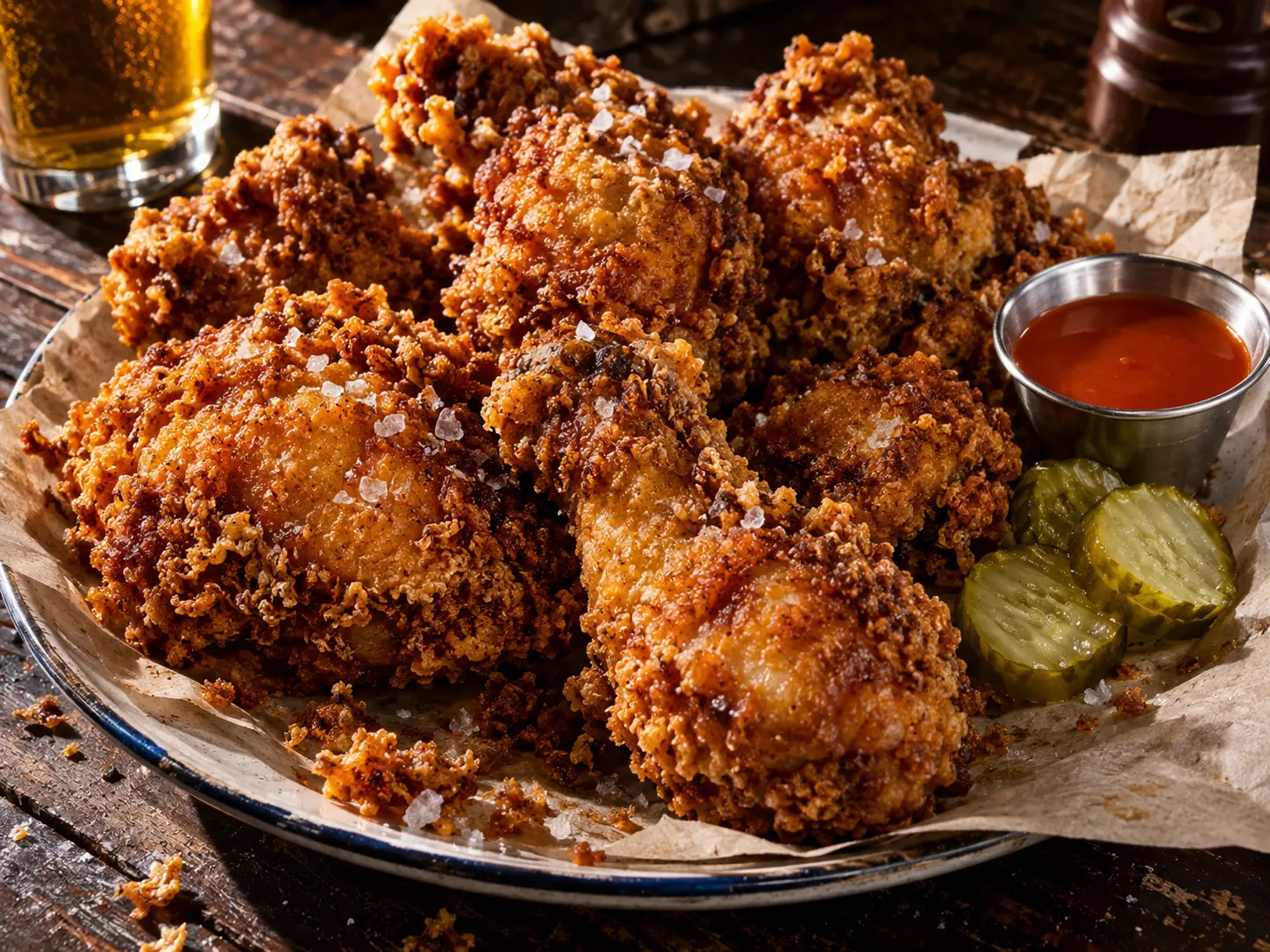 Craggy buttermilk fried chicken
Safety references
Check current guidance when cooking for food safety.