
Pan-frying
The food touches a hot surface with a modest amount of oil. Choose it for thin pieces, eggs, fish, tofu, and anything where direct contact creates a useful crust.
Pan-frying rewards a dry surface and patience. Let the food sit until a crust releases it from the pan before you turn it. If it sticks, it has usually not finished forming that crust, which this troubleshooting page explains. Try lacy-edge fried eggs or lemon pan-fried fish.
Shallow-frying
Oil reaches partway up the food. It gives breaded cutlets and fritters more even color without filling a pot. Turn carefully with long tools, work in batches, and watch that the oil does not climb too high when food goes in.
The oil in shallow-frying has to be deep enough to wrap the sides of the food, not so deep that you lose the control of a pan. A heavy skillet or sauté pan with sides holds heat well. Golden chicken cutlets and zucchini fritters are good examples.
Deep-frying
Food is submerged for fast, all-around cooking. It works especially well for loose batter, which can set in the oil rather than stick to a pan. Use a stable pot, ample headroom, dry food, a suitable oil thermometer, and a safe place to let oil cool.
Deep-frying uses the most oil, takes the most setup and has the highest safety stakes, so it deserves a deliberate station. Read a calm, safer frying setup and how much oil to use before your first pot.
Side by side
- Oil: pan uses a thin film; shallow reaches partway up; deep covers the food.
- Best for: pan for eggs, thin fish and tofu; shallow for cutlets and fritters; deep for loose batter, rings and foods that need to float.
- Cleanup: pan and shallow leave less oil to cool and dispose of; deep leaves a pot of it. See used frying oil.
- Equipment: a skillet covers the first two; deep-frying calls for a deep pot or a fryer and an oil thermometer.
Choose by the food
An egg or thin fish fillet needs contact with the pan, so start with pan-frying. A breaded cutlet browns more evenly when oil reaches partway up its side. A battered onion ring needs room to float, so deep-frying is the better fit. Change method only when it solves a texture problem.
The fry chart assigns a method to each food it lists, and each food’s page shows the cue to watch for. Browsing by type of food? The food-family hubs group them.
Which method for which batter or coating
Batter and breading change the choice. A thin, loose batter such as tempura needs room to float and set, which points to deep-frying. A dry flour-egg-crumb coating survives shallow-frying well because it sticks to the food. For more on coatings, see batters vs breadings.
A note on the air fryer
An air fryer is a different method, not a small deep fryer. It circulates hot air and uses little or no oil, and the results differ. For a seafood example, compare air fryer catfish with the shallow-frying method above. Air fryer vs deep fryer compares the methods more broadly.
Adjust batch size before the heat
Lay out the uncooked pieces near the stove and plan enough batches to leave space around each one. Adding too much food at once drops the oil temperature, slows browning and can leave the coating heavy. Keep a rack ready so finished pieces do not steam against a plate. For holding the temperature steady across batches, see keeping oil at temperature.
Put it into practice
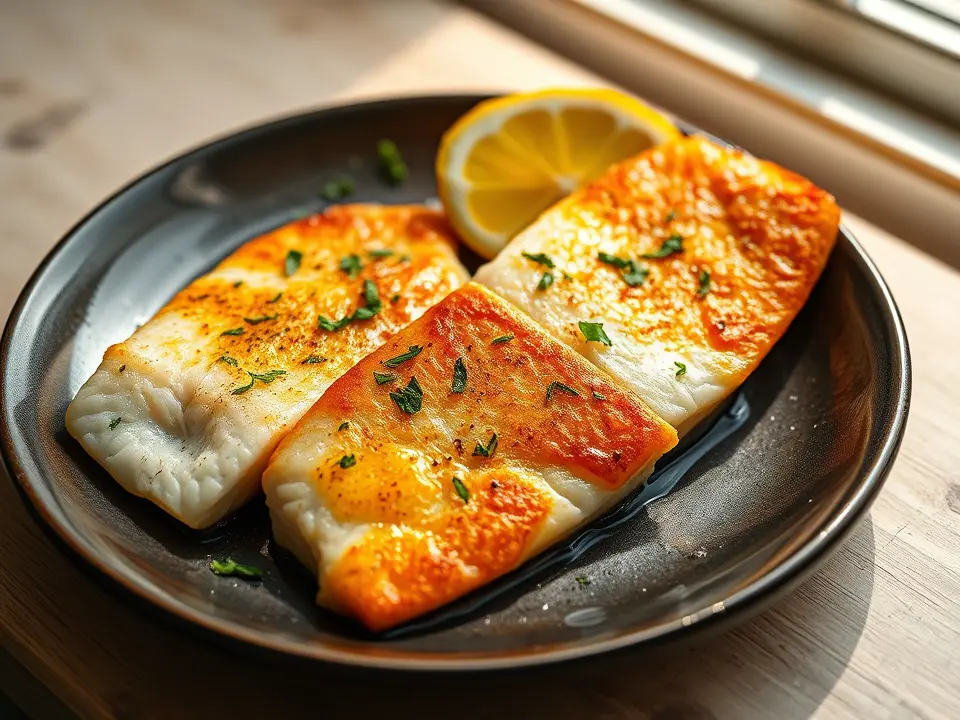 Lemon pan-fried fish
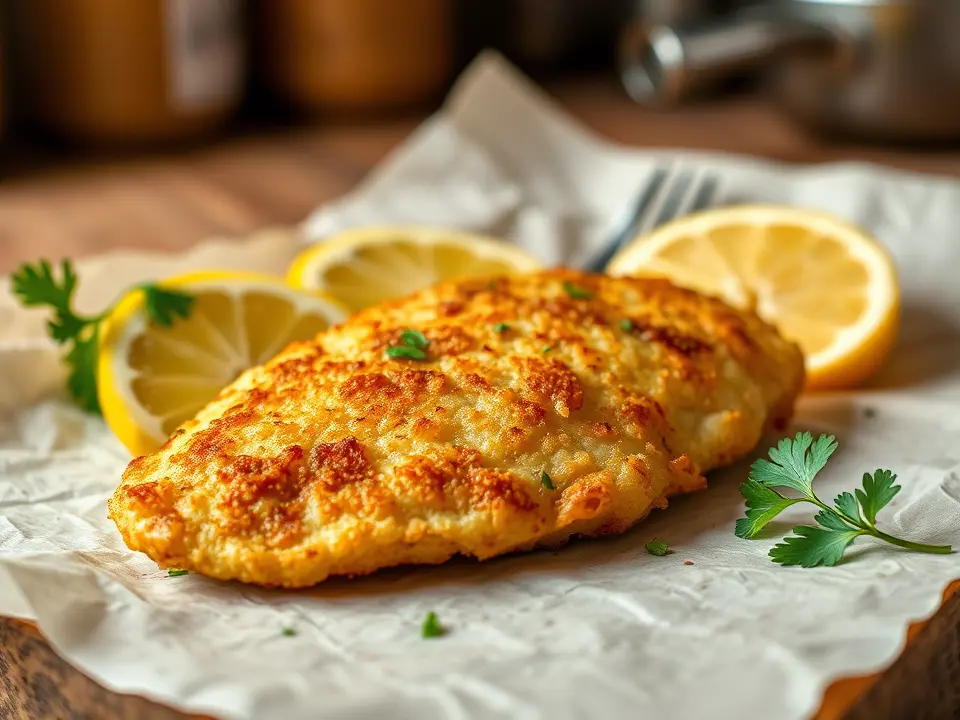 Golden chicken cutlets
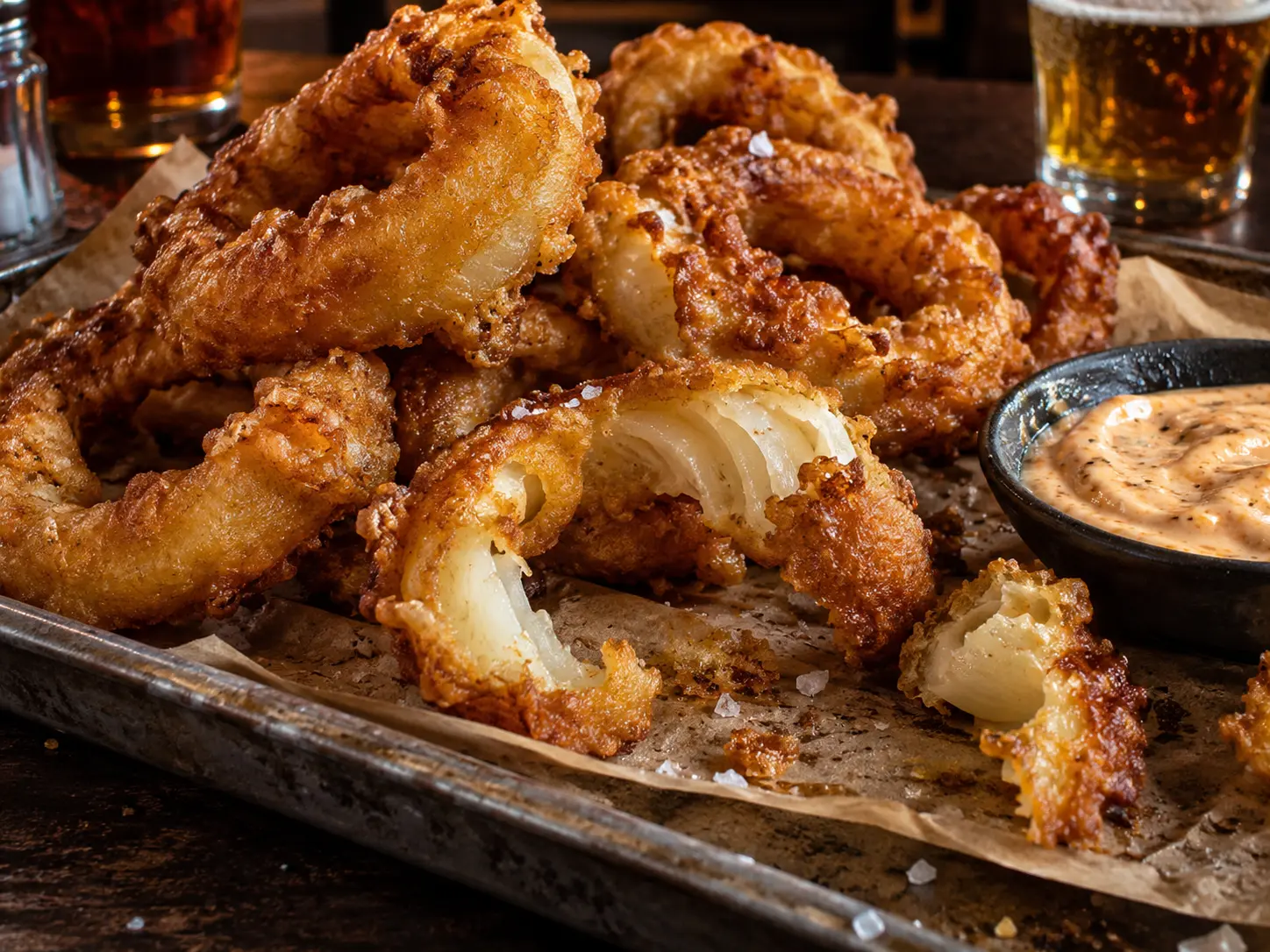 Proper crunchy onion rings
Safety references
Check current guidance when cooking for food safety.