
First, notice when the crust softened
If it never crisped, inspect the oil temperature, batch size and surface moisture. If it left the pan crisp but softened on the plate, look at draining, stacking and sauce timing. That distinction points to the useful fix.
The oil cooled down
Too much food at once drops the oil temperature. Fry smaller batches and let the pan recover between additions. A thermometer shows the drop and recovery more reliably than bubbles alone.
The surface was wet
Moisture steams under a coating and can make hot oil spit. Dry vegetables and proteins thoroughly before dredging or battering. For a high-moisture vegetable such as zucchini, squeeze out excess water before mixing the batter.
Steam had nowhere to go
A pile of hot food or a paper-towel-lined plate traps steam against the crust. Lift pieces onto a rack over a tray, leave space around them, then season and serve promptly.
The coating waited too long
Some batters lose lift as they warm or rest. Mix just before frying and work in manageable batches. Breaded cutlets are different: a short rest after coating can help the crumb hold on.
Sauce came too early
A crisp surface absorbs liquid quickly. If the recipe uses a glaze, finish the frying first and toss or spoon on sauce just before serving. Keep a dipping sauce on the side when you want the crust to last.
 Zucchini fritters
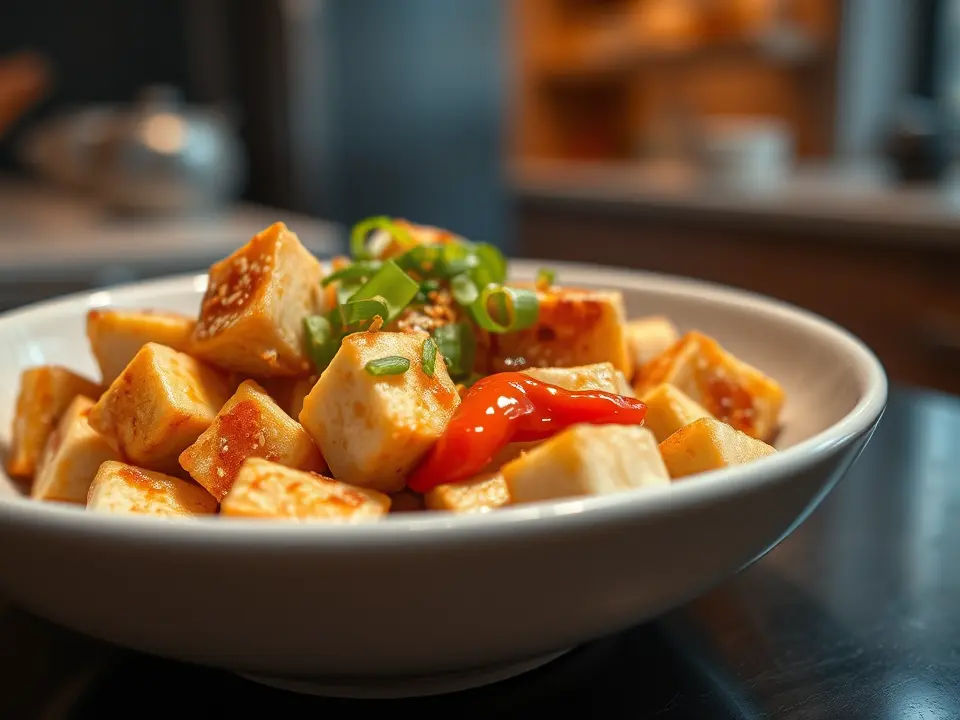 Crispy chili tofu
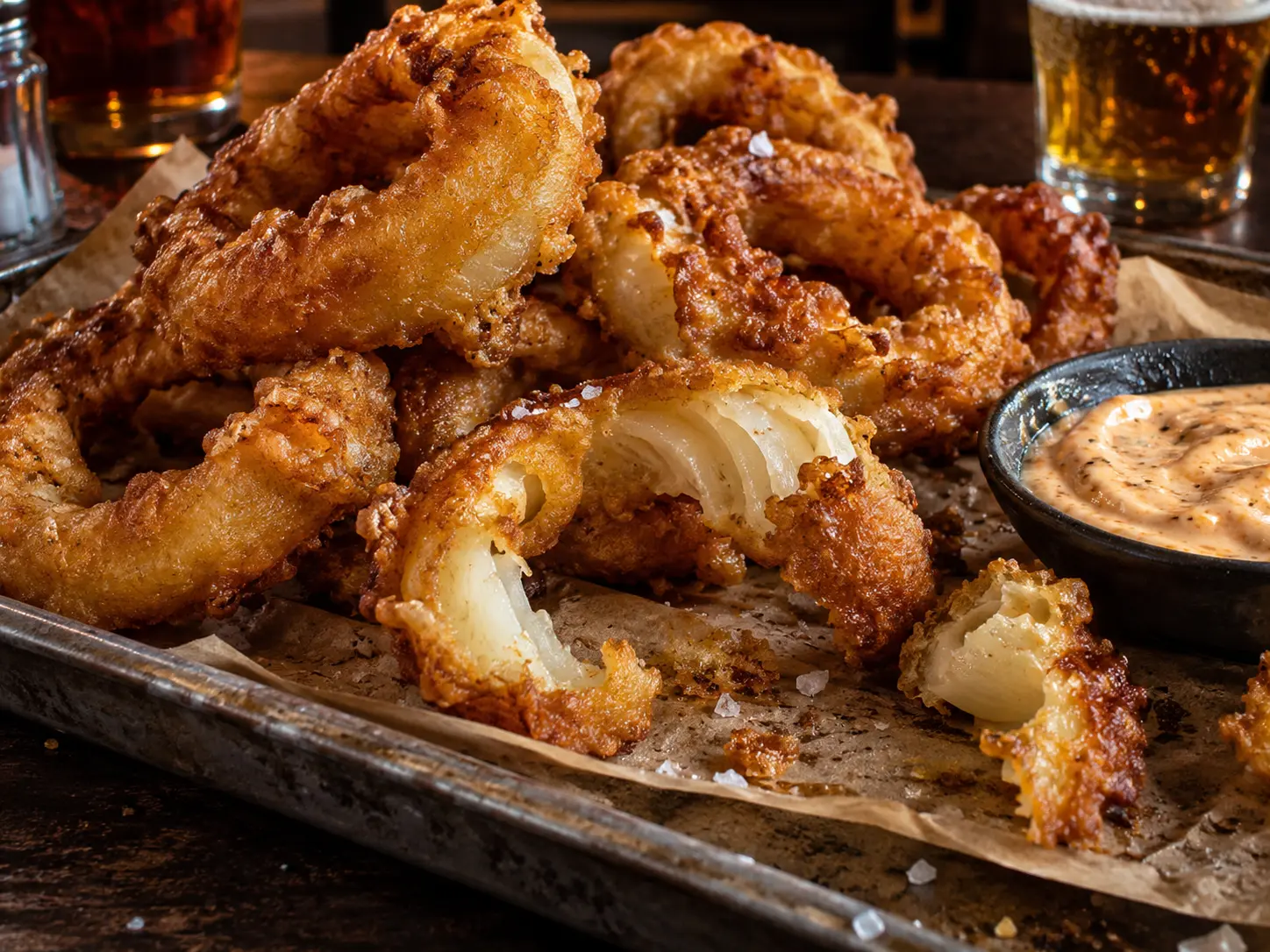 Proper crunchy onion rings