
The short answer
Use a deep fryer or a pot of oil for wet batters, yeast doughs and anything that has to float: tempura, beer-battered fish, doughnuts. Use a pan when the crust comes from contact: eggs, cutlets, smashed potatoes, crisp-skin salmon. Use an air fryer for crumb-coated, oil-tossed or naturally fatty foods: wings, fries, breaded fish, tofu, vegetables. Our air fryer chart lists sourced settings for 37 foods, and the fry chart covers the oil versions.
What an air fryer actually is
USDA describes air fryers as essentially countertop convection ovens: a heating element and a fan push hot air quickly around the food, and that fast-moving air dries and browns the surface. North Dakota State University Extension puts it plainly: they are more like convection ovens than deep-fat fryers. Nothing is submerged, so the crust comes from dry heat and a thin film of oil on the food rather than from oil all around it.
How much oil each one uses
A deep fryer surrounds the food in oil. A pan uses a film or a shallow layer. An air fryer uses a light coat on the food itself: Mississippi State University Extension says a light spritz to 1 tablespoon, and COSORI’s manual caps added oil at 2 tablespoons. University of Illinois Extension says air fryers use 70 to 85% less oil than conventional frying. Manufacturer figures run higher or lower and are marketing claims, so we do not repeat them as facts.
Batter: the line an air fryer cannot cross
University of Illinois Extension notes that wet batters tend to fall off in an air fryer before they set and do not crisp as expected. In hot oil, batter sets on contact. That is why every coated recipe on our air fryer chart uses flour, egg and crumbs, cornflakes or cornstarch instead of a pourable batter. If your recipe says beer batter or tempura, heat the oil.
Batch size and time
An air fryer basket holds less than it looks. Instant’s Vortex Plus manual says to cook in a single layer, not stack food, and not fill a basket more than three-quarters full. USDA says to air-fry large amounts in batches because an overfilled basket cooks unevenly. A deep fryer has its own limit, the oil fill line, and crowding it drops the oil temperature. For one or two people an air fryer is quick; for a crowd, the batches add up on either machine.
Heat and control
With oil you manage the burner and watch a thermometer, because the oil drops when food goes in and has to recover between batches. With an air fryer you set the dial and shake or flip halfway, as COSORI and Illinois Extension both advise. Single-stage settings on our chart run from 350°F to 425°F; not every model reaches the top of that range, so check yours before you start.
Safety differences
USDA notes deep frying oil can reach over 400°F; never leave it unattended, keep water away from it and never use water on an oil fire. An air fryer removes the pot of hot oil, but it is not a deep fryer: COSORI warns never to fill the basket with oil or liquid. Whatever you use, check meat, poultry and fish with a food thermometer, and USDA advises against air-frying raw, stuffed, breaded chicken breast products.
Put it into practice
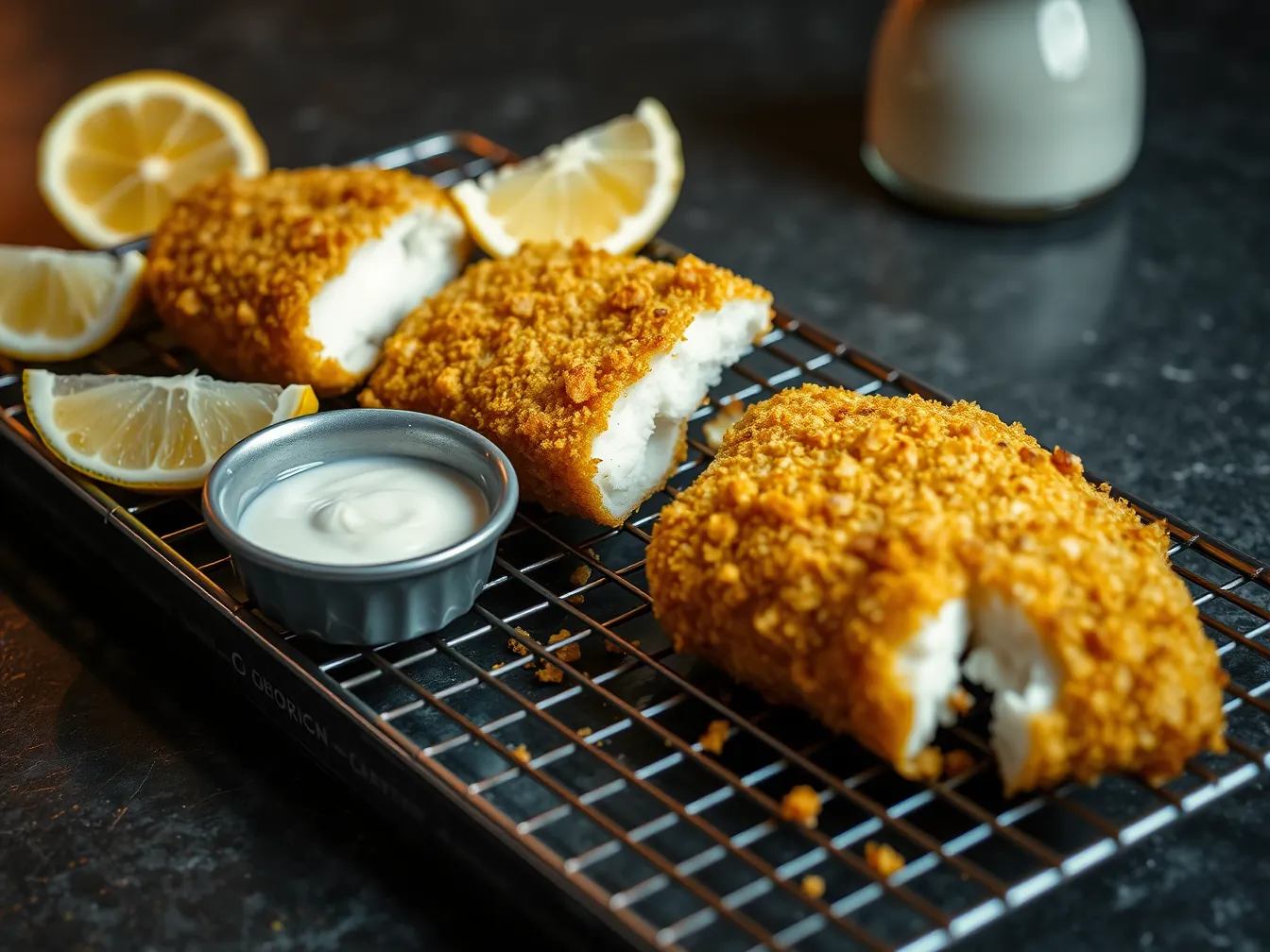 Cornflake-crusted air fryer fish
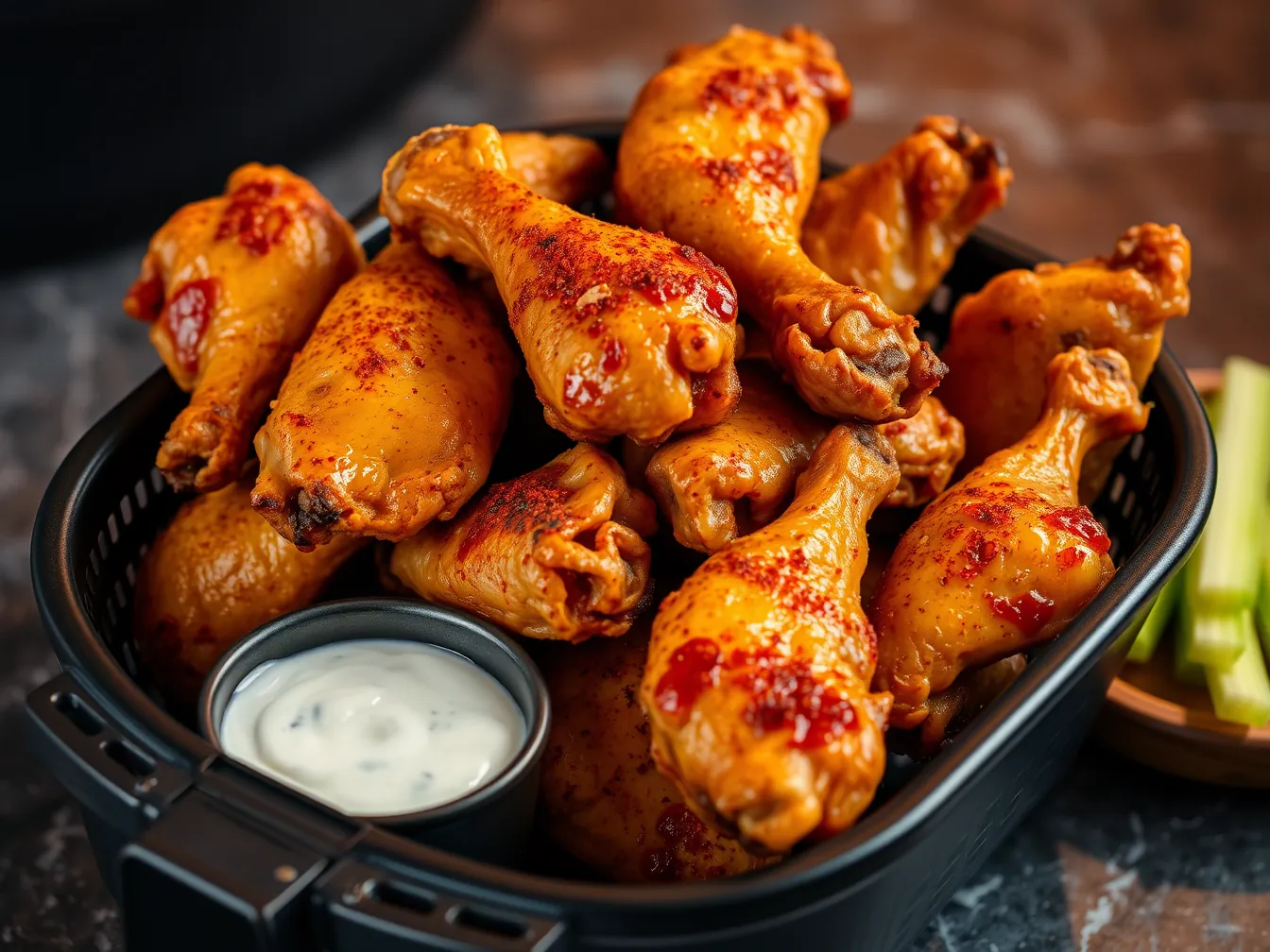 Two-stage air fryer chicken wings
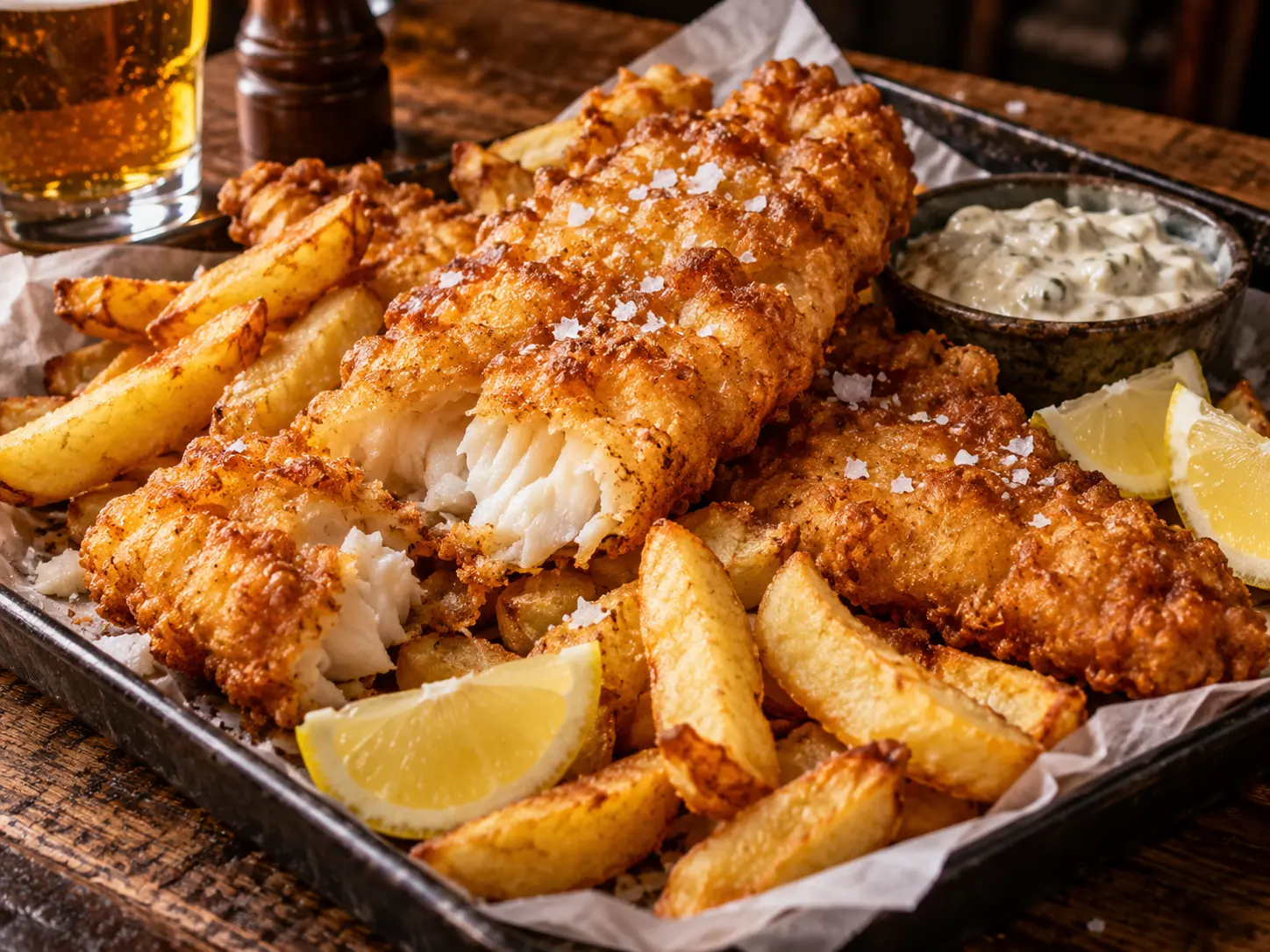 Pub-style fish and chips
Safety references
Check current guidance when cooking for food safety.