
Most frying problems start before the oil
Splatter, soggy coatings, uneven doneness and oil that foams or boils over often trace back to the food rather than the pot. Four minutes of prep removes most of them.
Pat it dry
Water is the main thing that makes oil splatter. When it hits hot oil it turns to steam violently and throws oil with it. Pat meat, fish, vegetables and tofu dry with paper towels, including the cavities and folds. Vegetables rinsed after cutting need a thorough dry too. Why frying oil splatters and why oil foams or boils over both cover it.
Some foods are wetter than they look. Tofu and zucchini hold a lot of water, so crispy chili tofu blots the tofu dry and zucchini fritters squeezes the shreds in a towel before cooking.
Cut to a similar size
Pieces of different thickness cook at different speeds, so the thin ones burn while the thick ones are still raw in the middle. Cut to a consistent size, and if a few pieces are bigger, fry them together as their own batch. The fry chart gives the piece size its source used for many foods, so you can match your cuts to its timing.
Thaw completely
Ice crystals on frozen food turn to steam when they meet hot oil, so partly frozen food splatters more and cools the oil sharply. Thaw food fully in the refrigerator, and dry it once it is thawed. Foods that are made to go into the oil from frozen, such as packaged frozen fries, are the exception, and the package instructions apply.
Take the chill off, briefly
Very cold food drops the oil temperature more than food that has been out of the refrigerator for a short while. A short rest on the counter is enough for small cuts. Do not leave raw meat, poultry or fish out for long: the aim is to take off the deepest chill, not to leave food sitting.
Season and coat at the right moment
Salt draws moisture to the surface of many foods, so season just before coating or frying unless the recipe calls for a salting step. Coat as late as you can, then rest the coating briefly, as in how to set up a breading station.
Then check the oil
With the food prepared, bring the oil to temperature, use a thermometer, and lower food in gently. How to tell if oil is hot enough and a calm, safer frying setup are the next two pages to read, and Start here puts the fundamentals in order.
Put it into practice
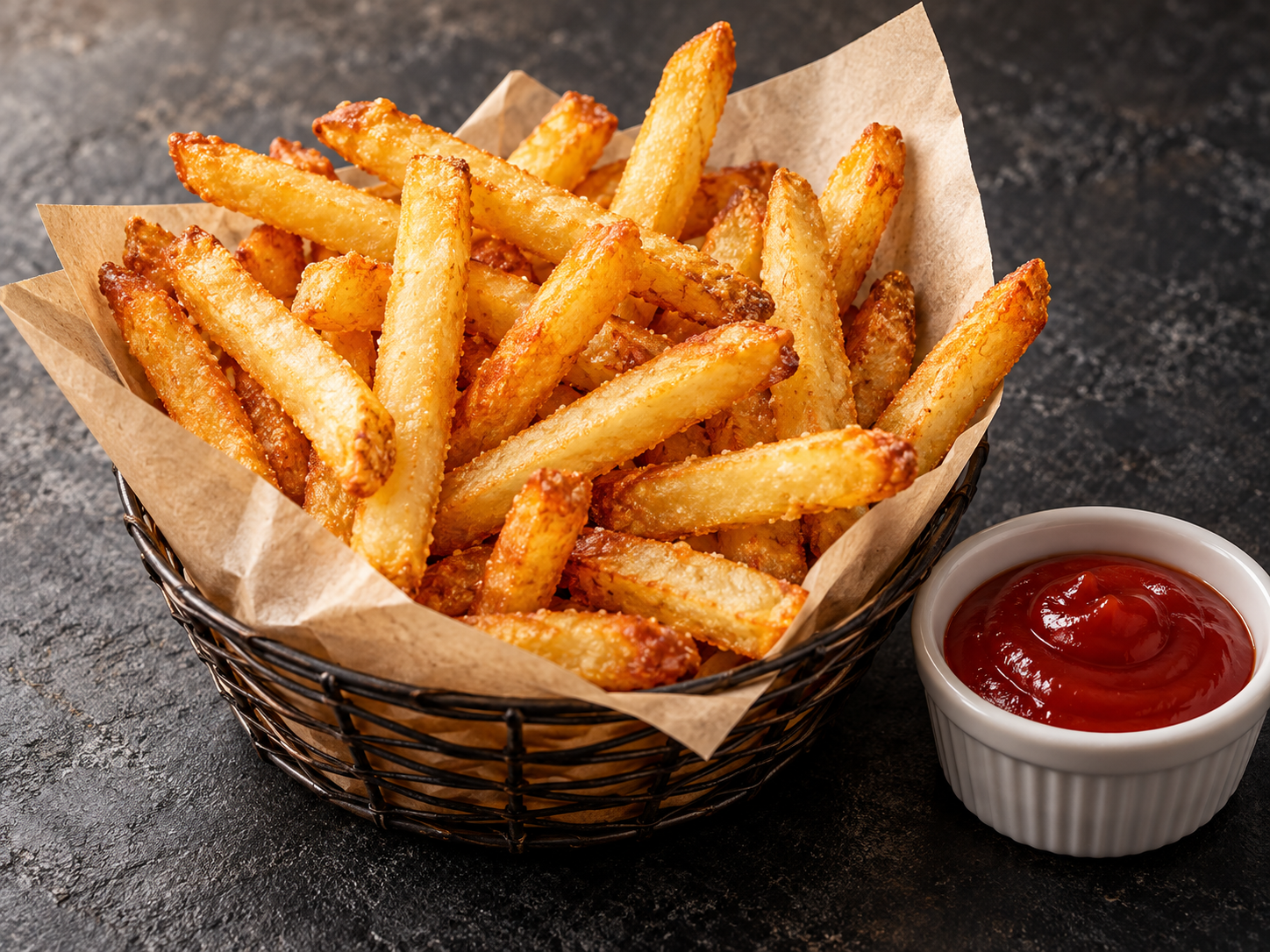 Classic crispy french fries
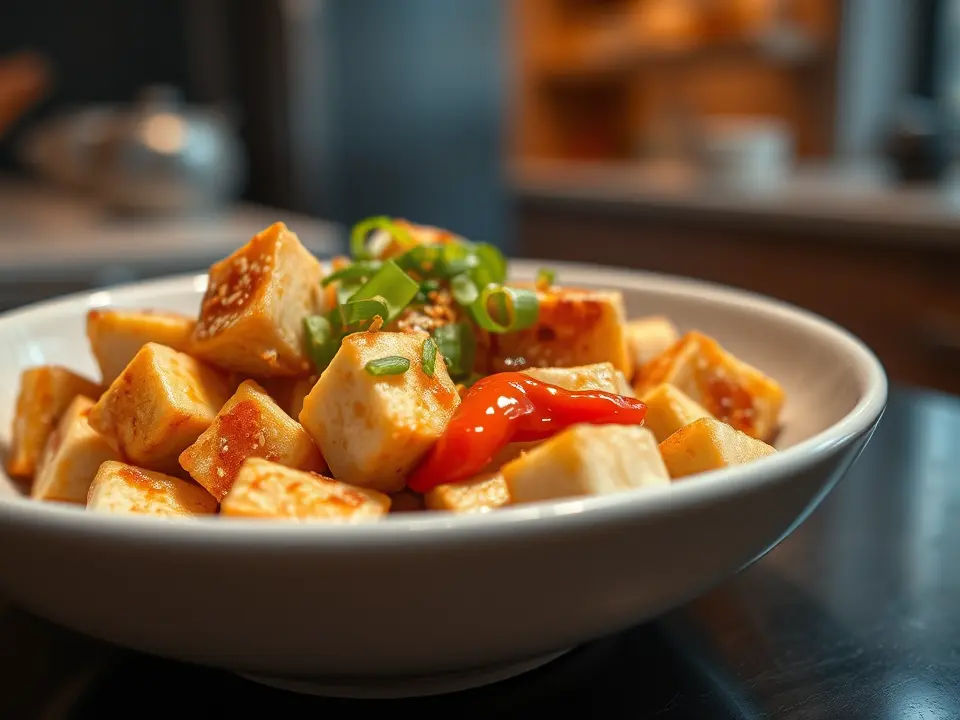 Crispy chili tofu
 Crispy fried shrimp
Safety references
Check current guidance when cooking for food safety.