
Let it cool where it is
When the last batch is finished, turn off the burner or fryer. Leave the vessel stable and undisturbed until the oil is completely cool. Do not carry a pot of hot oil to the sink or try to speed cooling with water.
Decide whether it is worth keeping
Oil that smells burnt or unpleasant, foams or looks cloudy should be discarded. Oil used for a strongly flavored food may be less useful for a delicate next batch. Reuse is a quality decision as well as a storage decision.
Strain and store reusable oil
Once the oil is fully cool, strain out crumbs through a fine sieve or cloth and transfer it to a clean, sealed, light-proof container. Label what it was used for and keep it in a cool place; USDA recommends refrigeration for best quality. Check its smell and appearance again before reuse.
Dispose of the rest
Find out whether your local recycling program accepts cooking oil. If it does not, pour fully cooled oil into a sealable container and follow local disposal rules. Never pour it down a sink or toilet: it can congeal in pipes and cause backups.
Clean the station
Once every surface is cool, wipe up splatter, wash the pot and rack, and return dry tools to storage. Cleaning up after the heat is off leaves you ready for a safer next batch.
Put it into practice
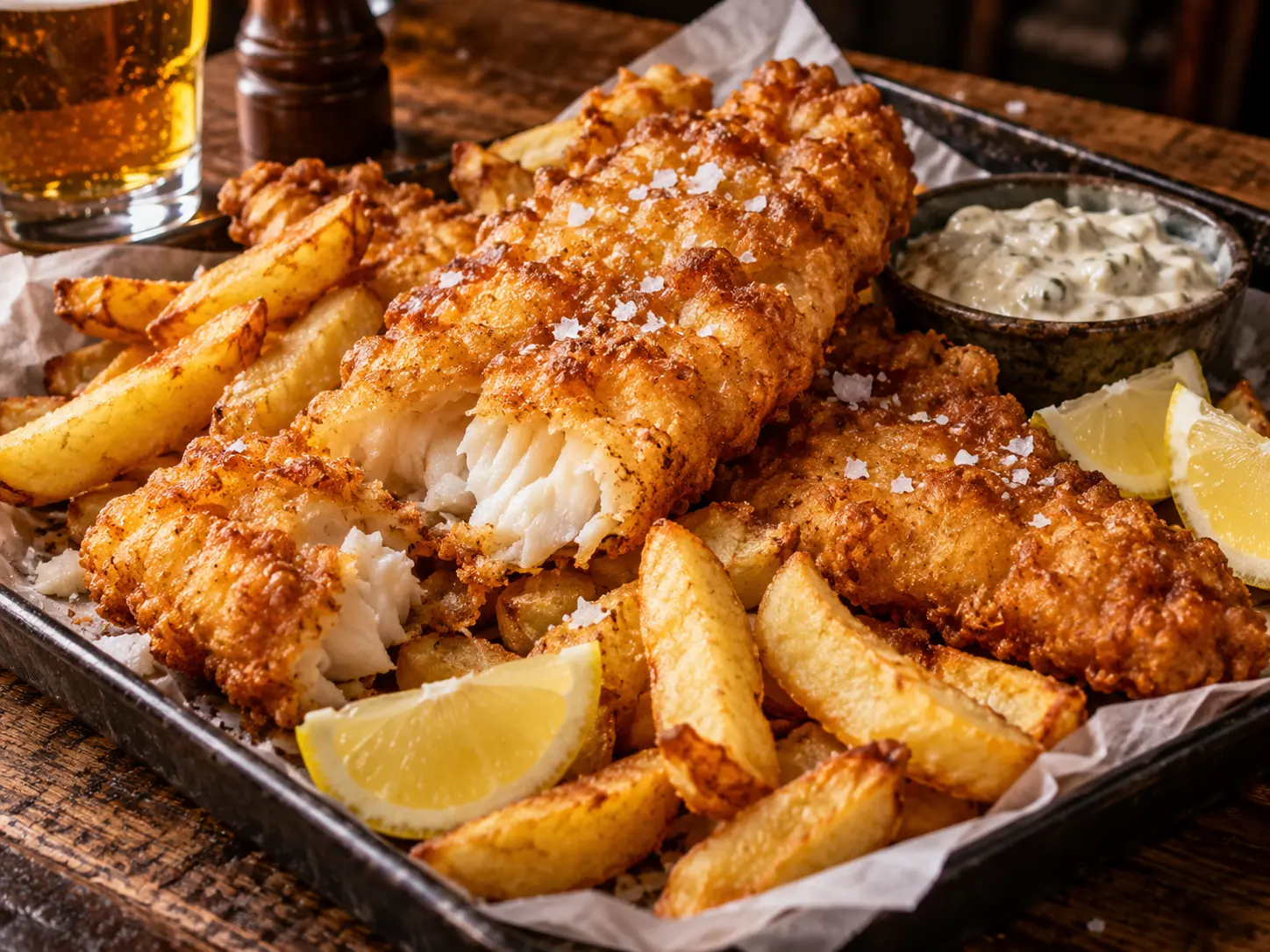 Pub-style fish and chips
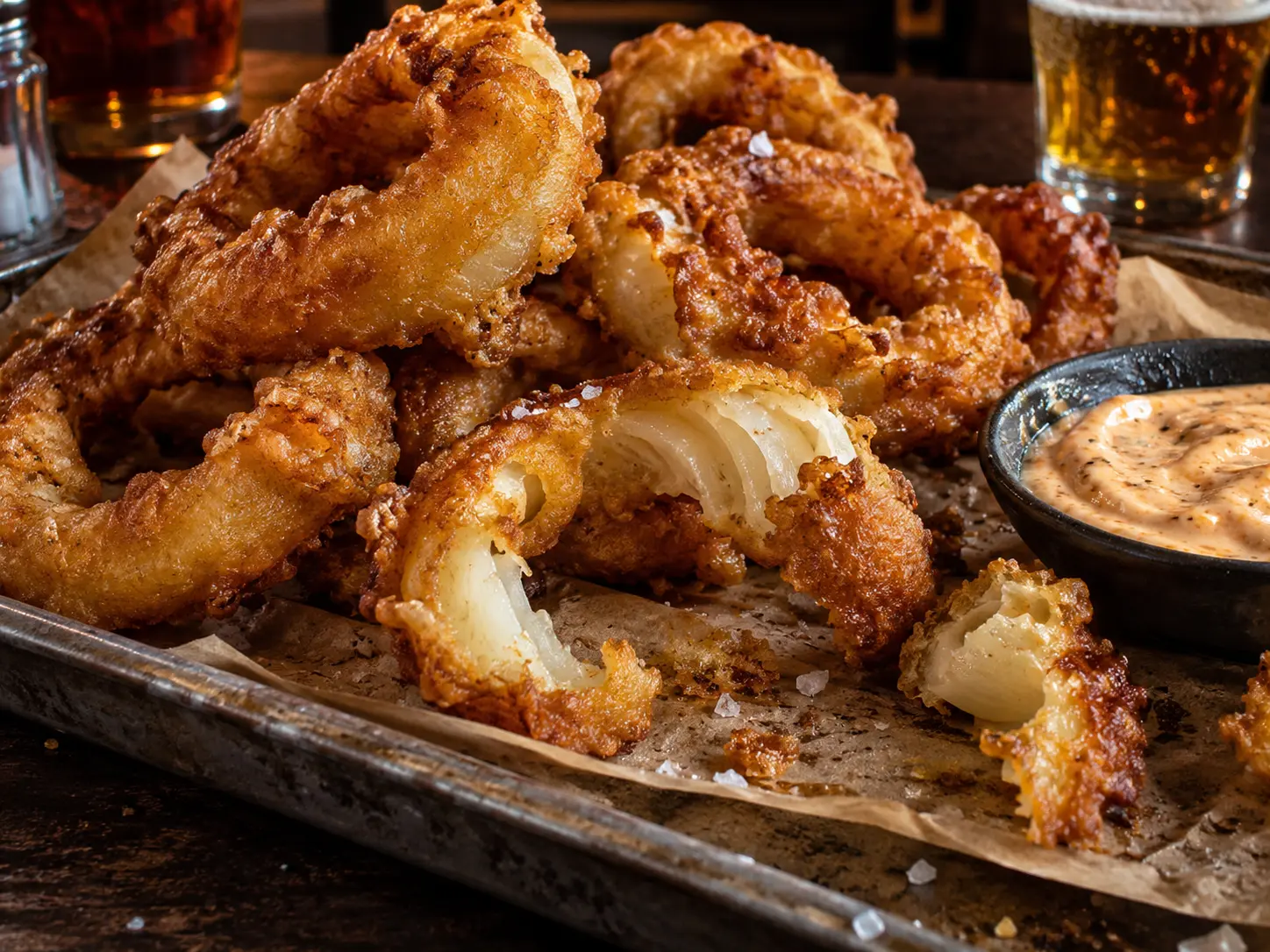 Proper crunchy onion rings
Safety references
Check current guidance when cooking for food safety.