
Set the station
Use a stable vessel on a clear burner, turn handles inward, and move water, towels and clutter away from the stove. Set out a rack, dry tools and a thermometer before heating oil. Keep children and pets away; never leave the stove unattended.
A short pre-flight list helps, because the dangerous moments in frying come when you are hunting for something with hot oil on the stove:
- A rack over a tray, ready for finished food.
- A pot lid that fits, within reach, for smothering a small pan fire.
- Dry long-handled tools: a spider, tongs or a slotted spoon.
- Oven mitts, and a thermometer that clips to the pot.
- Food patted dry and lined up near the stove in the order it will cook.
Leave room in the pot
Follow the fryer or pot’s safe oil-fill guidance. The oil rises when food enters, and crowding can make it overflow. Work in small batches and lower dry food gently away from your body. The guide to how much oil to use explains fill lines and displacement for common pots.
Respect water and hot oil
Dry food before it meets hot oil. Water can turn to steam violently and throw oil outward. Never add water to hot oil or use it on an oil fire.
Frozen food needs particular care, because ice on the surface is water. Shake or brush off loose ice and follow the package or recipe directions. Wet batter is expected, but let excess drip off before it goes in, and lower pieces toward the far side of the pot so any splash points away from you. For more on why oil spits, see why frying oil splatters.
Watch the oil, not the clock
Hot oil gives warning signs before it becomes dangerous. Visible smoke or a sharp, acrid smell means the oil is too hot for cooking. Turn the heat down or off. Use a thermometer rather than guessing; the guide to keeping oil at temperature covers adjusting between batches, and why oil smokes lists the common causes.
If the oil smokes or catches fire
If oil starts smoking, turn off the heat and let it cool. For a small pan fire, the U.S. Fire Administration advises sliding a lid over the pan and turning off the burner if it is safe to do so. Do not move a burning pan. Do not use water. If the fire grows or you are unsure, leave and call emergency services.
Decide this before you heat the oil, not while it is burning. Know where the lid is and which burner knob controls which burner.
Check doneness separately from color
Lift food out of the oil before probing its thickest part with a clean food thermometer. FoodSafety.gov lists 165°F (74°C) for poultry and 145°F (63°C) for fish fillets; follow its current chart for other foods. A golden crust is not a safety measurement.
Dark outside with a raw center usually means the oil was too hot; pale and heavy usually means too cool. This troubleshooting page covers the first case. The fry chart lists the safe internal temperature next to each food where one applies.
Handle leftovers carefully
Fried food is not exempt from the usual leftovers rules. FoodSafety.gov advises refrigerating cooked food within two hours, and reheating leftovers to 165°F (74°C). How to reheat fried food so it stays crispy covers the practical side.
Cool before cleanup
Turn off the heat and let the oil cool completely before moving, straining or disposing of it. Never carry a pot of hot oil across the kitchen or pour it down a drain. Check local recycling and disposal options, and see what to do with used frying oil.
Put it into practice
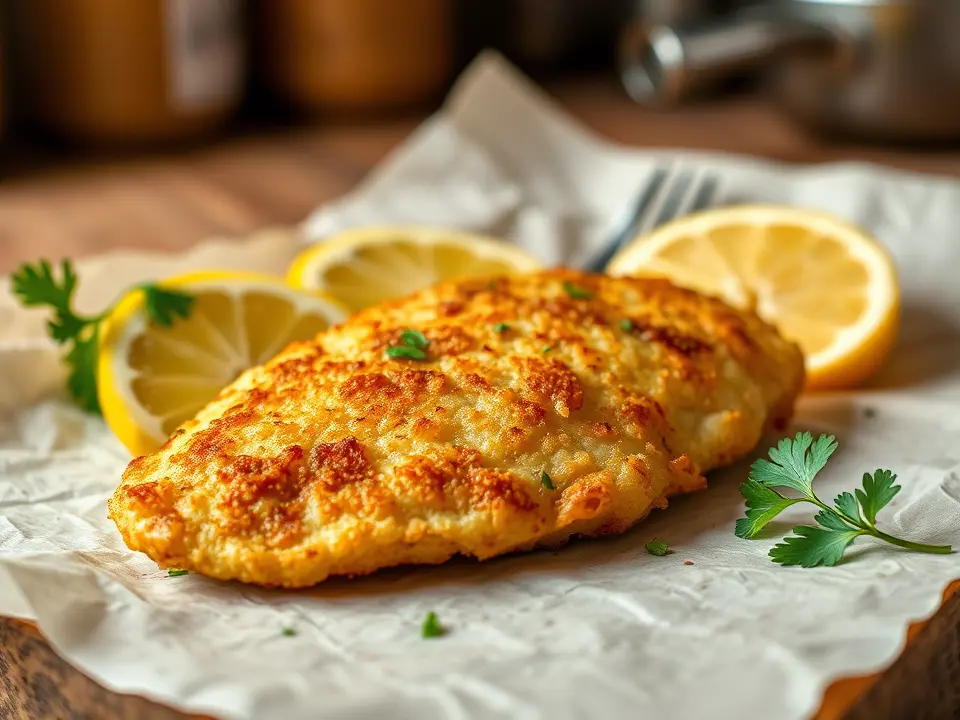 Golden chicken cutlets
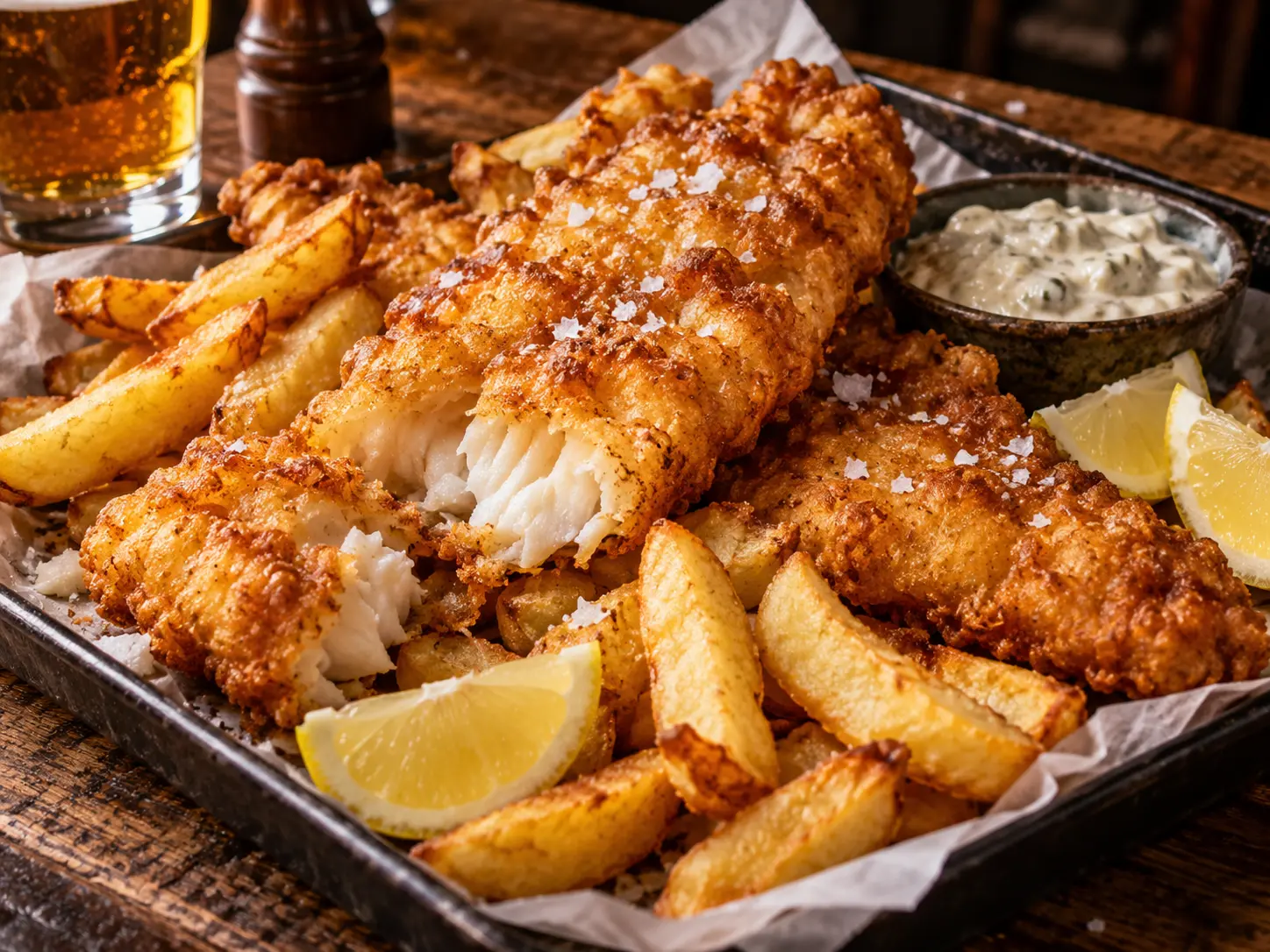 Pub-style fish and chips
Safety references
Check current guidance when cooking for food safety.