
Two approaches, two different mechanisms
A batter is a pourable mixture of flour, liquid, and usually a leavener or gas-producing ingredient. When it hits hot oil, the liquid flashes to steam and the starch gels around those bubbles, producing a light, airy shell with an uneven, craggy surface. A breading is a dry coating — most often a flour dredge, seasoned breadcrumbs, or panko — that bonds to the food through an egg or buttermilk wash. Because it contains almost no free moisture, it browns by direct heat contact rather than by steam expansion. The two coatings feel and taste different because they are doing different things in the oil.
How a batter adheres
Batter clings mechanically: the liquid mixture wraps around the food and sets as it cooks. For this to work, the food surface must be dry and lightly dusted with flour first. That flour gives the wet batter something to grip rather than beading off. The coat is also thick enough to hold itself together as the liquid inside it expands, which is why a light tempura batter (roughly one part flour to one part liquid) produces a thinner, more delicate shell than a beer batter made with baking powder (which is thicker and more heavily leavened). Once the shell sets, it insulates the food from direct oil contact — the interior steams gently inside the crust rather than frying hard.
How a breading adheres
A breaded coating bonds through a three-step sequence: flour, egg wash, crumbs. The flour absorbs surface moisture and gives the egg something to grip. The egg acts as glue for the crumbs and coagulates in the oil to lock the coating in place. Pressing the crumbs on firmly and letting the coated piece rest for five to ten minutes before frying helps the layers fuse. That resting step matters most for panko, which is coarser and more prone to dropping off than fine breadcrumbs. Cornstarch in place of some or all flour creates an even crisper surface because it absorbs less oil than wheat flour.
What determines texture
Batter texture depends most on batter hydration and leavening. A loose, cold batter (like tempura) traps less gas and produces a thinner, more transparent shell. A thicker batter with baking powder (like onion rings or beer-battered fish) puffs more and crisps into a thicker, crunchier wall. Breading texture depends on crumb size: fine dry breadcrumbs pack tightly and produce a uniform, compact crust. Panko crumbs are larger and flakier, so they create more surface area and air pockets, giving a distinctly shaggy, lighter crunch. This is why panko has largely replaced fine breadcrumbs in most modern breaded cutlet recipes.
Why batter thickness matters
A batter that is too thick insulates the food so well that the inside takes longer to cook than the outside can wait. The crust browns before the center reaches temperature. A batter that is too thin either slides off the food before it sets or produces a shell too fragile to hold together when turned. Serious Eats and Cook's Illustrated both emphasize that cold batter is not just a tradition: it slows gluten development in the flour, keeping the mixture loose and preventing a bready, chewy coat. Using sparkling water or beer introduces CO₂, which adds lightness before the batter even reaches the oil.
The role of humidity and resting time
Batters are at their best right after mixing. As the batter sits, gluten develops, gas escapes, and the mixture thickens and grows denser. A batter mixed and left for twenty minutes typically produces a heavier, less delicate coat than one used immediately. Mix in small batches and fry as you go. Breadings behave differently: resting actually helps them. A freshly breaded cutlet left on a rack for five to fifteen minutes allows the egg to begin setting and the crumbs to stick more firmly. Skip this rest and the coating is more likely to separate in the oil. The exception is a cornstarch coating, which should go into the oil promptly — extended rest allows moisture to migrate from the food and make the starch gummy.
Which coating suits which food
Batter works best for foods that benefit from steam-cooking inside a protective shell: fish fillets, shrimp, onion rings, tempura vegetables. The shell keeps the interior moist while the outside crisps. Batter also works better for irregular shapes that would be difficult to crumb evenly. Breading suits foods that need uniform, all-over color and a sturdier crust: chicken cutlets, pork schnitzel, breaded fish fillets intended for sandwiches. Panko is especially useful for foods you will reheat, since the coarser crumb holds its texture longer than a fine crumb or a batter shell, which softens quickly as moisture migrates. Note that wet batters do not work in an air fryer — they drip through the basket before setting. Dry breadings, flour dredges, and cornstarch coatings are the right choice for air frying.
Common problems and what causes them
Batter falling off usually means the food was too wet, the oil was too cool when the food went in, or the batter was too thin to grip. Batter turning greasy usually means the oil temperature dropped sharply, often from adding too much food at once, so the coat absorbed oil rather than immediately setting. Breading falling off usually means the egg layer was too thin, the crumbs were not pressed on, or the coated piece went straight into oil without any rest time. Breading going heavy or dense usually means the oil was too cool or the coating was too thick. In all cases a thermometer and small batches solve most problems before they start.
Put it into practice
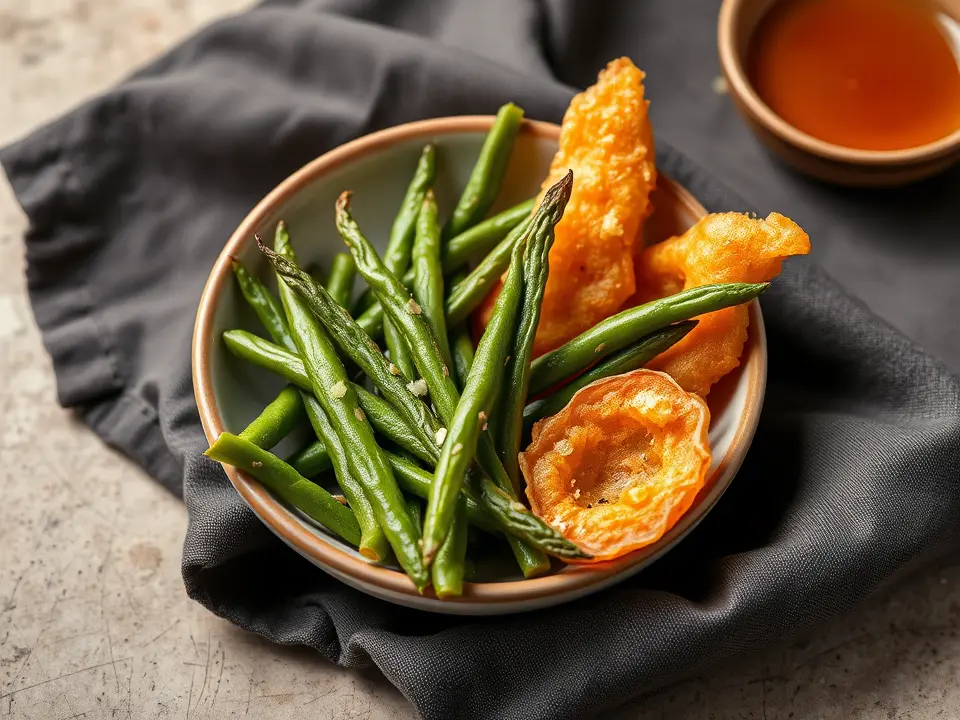 Quick vegetable tempura
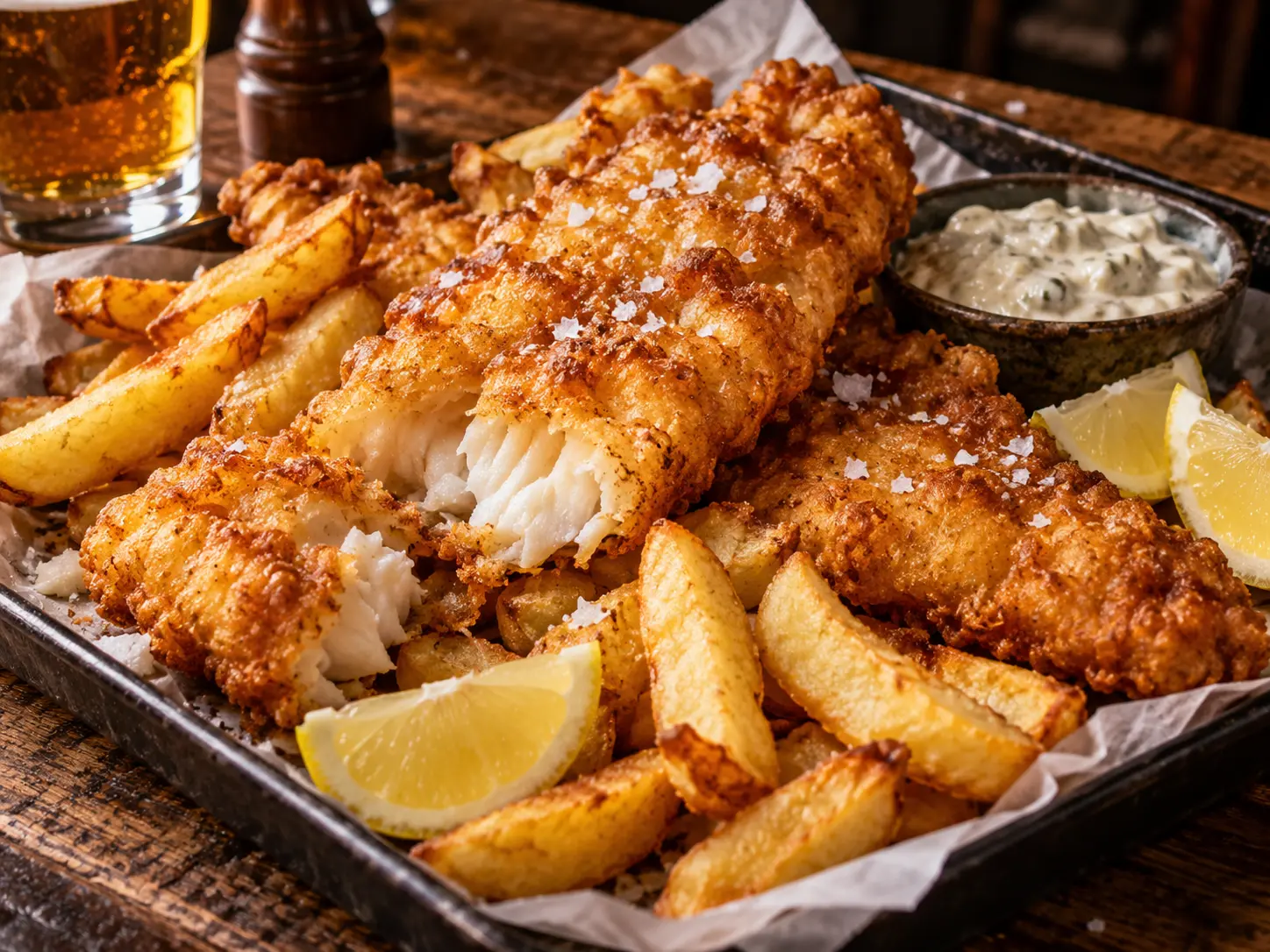 Pub-style fish and chips
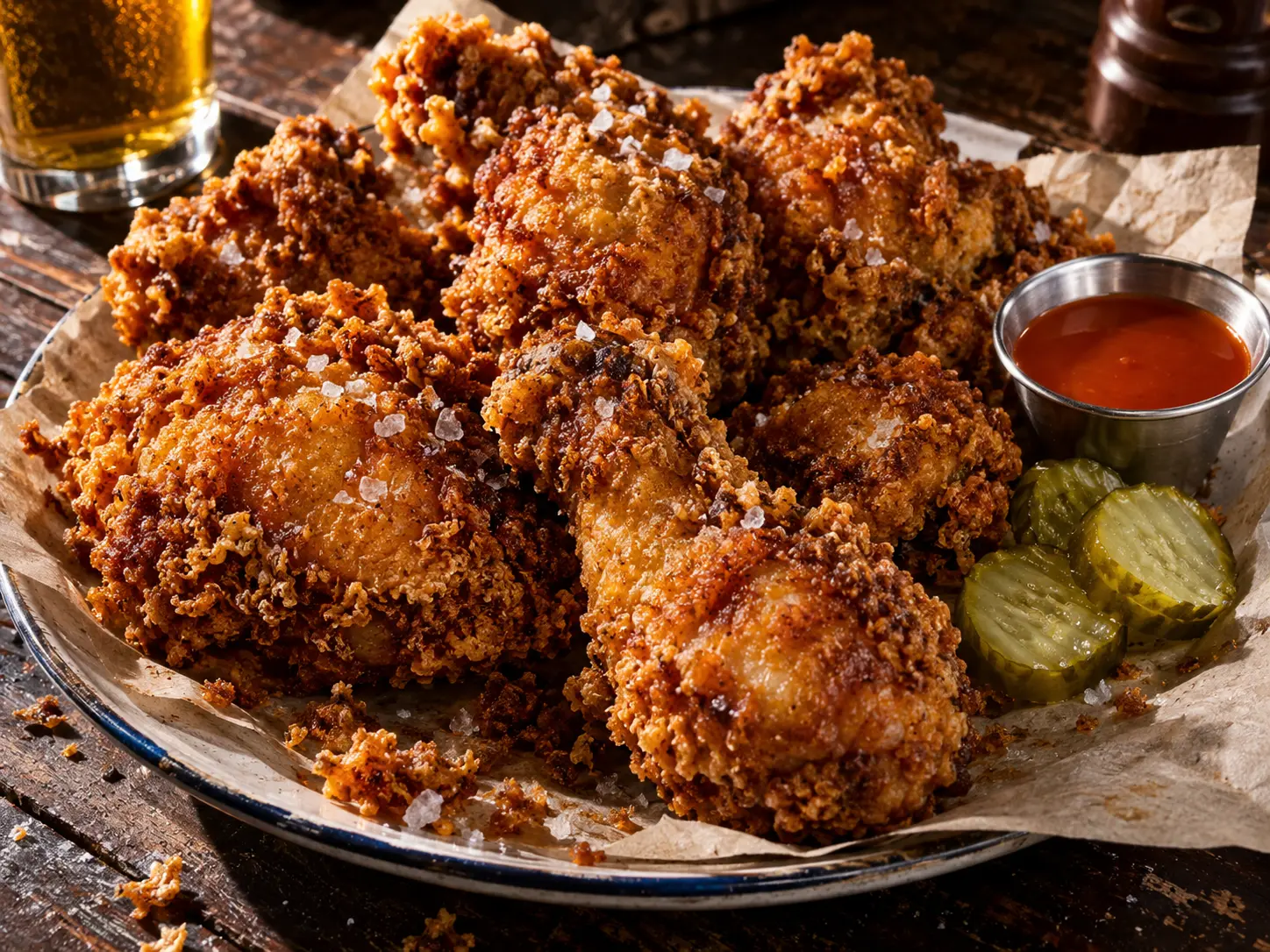 Craggy buttermilk fried chicken
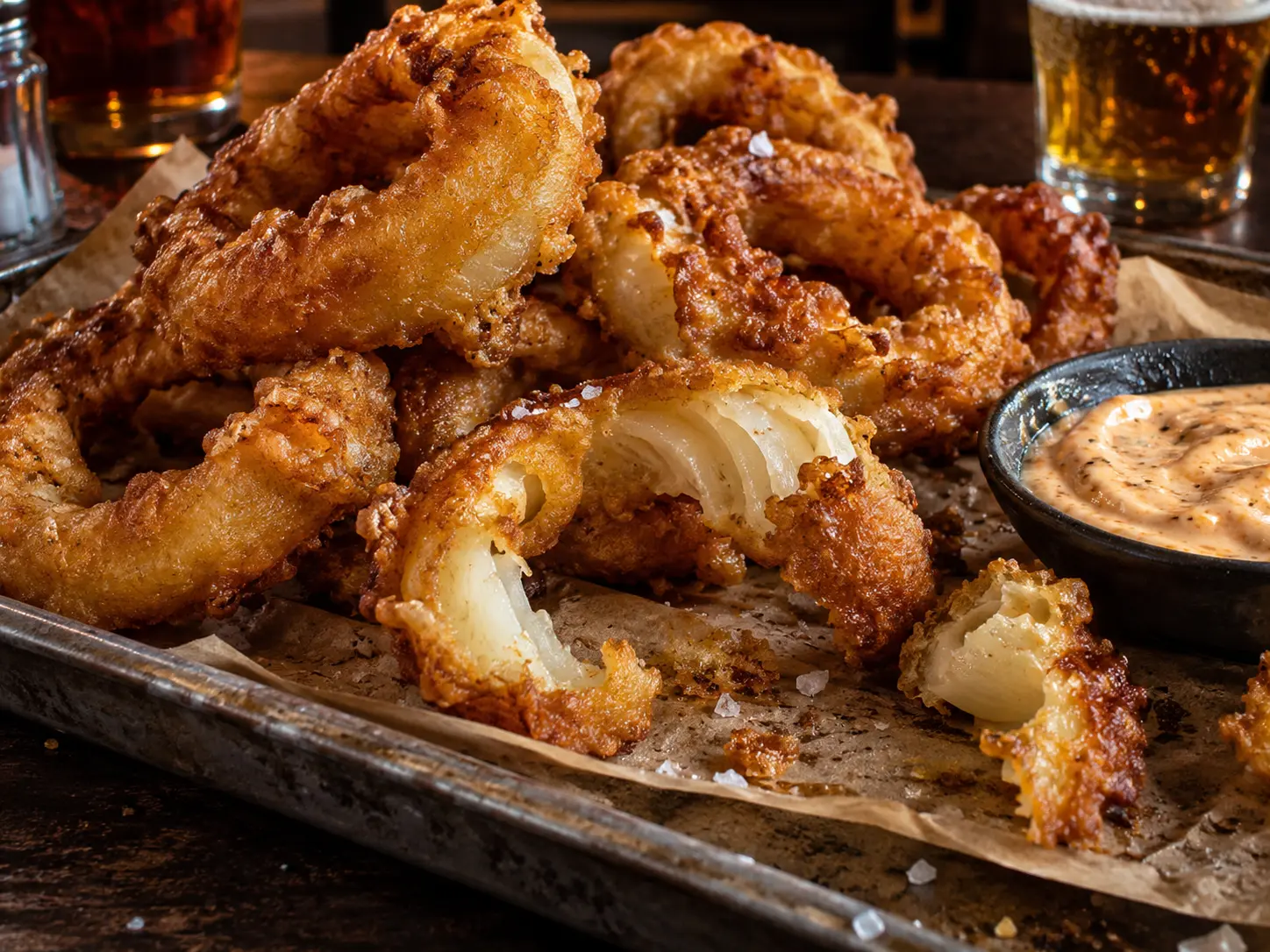 Proper crunchy onion rings
Safety references
Check current guidance when cooking for food safety.