
Dutch oven vs deep fryer: which is better for home frying?
A Dutch oven is the smarter choice for most home cooks. A dedicated deep fryer pays off only if you fry often.
A heavy Dutch oven or a high-sided cast iron pot is the right tool for most home cooks. It holds heat reliably, works on any stovetop, and handles every other cooking task too. A dedicated deep fryer makes sense only if you fry several times a week and want a built-in thermostat and filtered oil storage — features that matter for volume, not for occasional batches.
Dutch oven
A heavy enameled cast iron or plain cast iron pot, typically 4–6 quarts. The mass holds heat steadily when food is added, which helps maintain oil temperature.
Pros
- Multitasker — works for braising, soups, bread, and everything else you already cook
- Heavy walls hold oil temperature more steadily than thin-walled pots
- Easy to check oil temperature with a clip-on thermometer
- Dishwasher-safe (enameled versions) or easy to clean
- No dedicated counter space required; it stores with the rest of the cookware
Cons
- No built-in thermostat; requires a separate thermometer to monitor oil temperature
- Oil must be strained and stored separately after use
- Heating and cooling takes a few extra minutes compared to an electric fryer
Best for: Occasional home frying — a few times a month or less
Deep fryer
A countertop electric appliance with a heating element, a thermostat, a fry basket, and usually a filtered lid for oil storage.
Pros
- Built-in thermostat holds the exact temperature without a separate thermometer
- Many models store oil in the sealed unit between uses
- Fry basket and lid make handling and draining easier
- Consistent temperature control reduces guesswork for repeated batches
Cons
- Single-purpose appliance that takes up counter or cabinet space
- Oil capacity is fixed; hard to scale up for large batches
- More parts to clean and maintain
- Upfront cost for a quality unit
- Electric coil models can be slower to recover temperature after a cold food addition
Best for: High-frequency frying — multiple times a week, or if you want thermostat control without watching a thermometer
Why a Dutch oven works so well
The key to consistent deep frying is stable oil temperature. When cold food goes into hot oil, the temperature drops; if it drops too far, the food absorbs more oil instead of searing the surface. A Dutch oven's thick cast iron walls hold a large thermal mass, so the temperature drop when you add food is smaller and recovery is faster. This is the same reason professional kitchens use heavy cast iron over thin stainless steel. Pair a Dutch oven with a reliable clip-on deep-fry thermometer and you have all the temperature control a dedicated fryer provides.
What a dedicated deep fryer actually adds
A quality electric deep fryer adds a thermostat (set-and-forget temperature), a fry basket with a hinge for draining, and usually a filtered lid that lets you store the oil in the unit between uses without straining. These are real conveniences for someone who fries chicken, donuts, or falafel multiple times a week. They do not improve the food or make the process safer in a meaningful way for occasional cooks.
Safety is similar for both
The safe-frying principles are the same regardless of the vessel: use a thermometer, keep water away from hot oil, do not overfill (no more than half full with oil), and have a lid nearby to smother a flame. Neither a Dutch oven nor a deep fryer is inherently safer than the other when used correctly.
Oil capacity and cleanup
A 5–6 quart Dutch oven holds about 2 quarts of oil comfortably (never fill more than halfway). A standard home deep fryer holds 1.5–3 quarts. Both are fine for home batches of chicken, fish, or fries. After frying, let the oil cool completely in the Dutch oven, then strain it through a fine-mesh sieve into a jar with a lid for reuse. A deep fryer with a sealed storage lid skips that step.
Frequently asked questions
- Can I use a regular pot instead of a Dutch oven for deep frying?
- Yes, but choose a pot with thick walls and a high volume relative to the oil level. A thin-walled pot loses heat faster when food is added, which leads to uneven cooking and greasier results. The heavier the pot, the more stable the oil temperature.
- What size Dutch oven do I need for deep frying?
- A 5–6 quart Dutch oven is the most practical for home batches. It holds 2 quarts of oil (never more than half full) and leaves enough headroom for frying chicken pieces or other bulky food without the oil coming close to the rim.
- Do I need a thermometer with a Dutch oven?
- Yes. A clip-on deep-fry thermometer is essential for a Dutch oven because there is no built-in thermostat. It is the most important piece of frying equipment after the pot itself. A $10–15 analog thermometer works perfectly well.
- Is a deep fryer safer than a pot on the stove?
- Neither is meaningfully safer or more dangerous than the other when used correctly. The same rules apply: never overfill, keep water away, use a thermometer, and stay near the stove. A deep fryer's thermostat prevents overheating if you walk away, which is one genuine safety advantage.
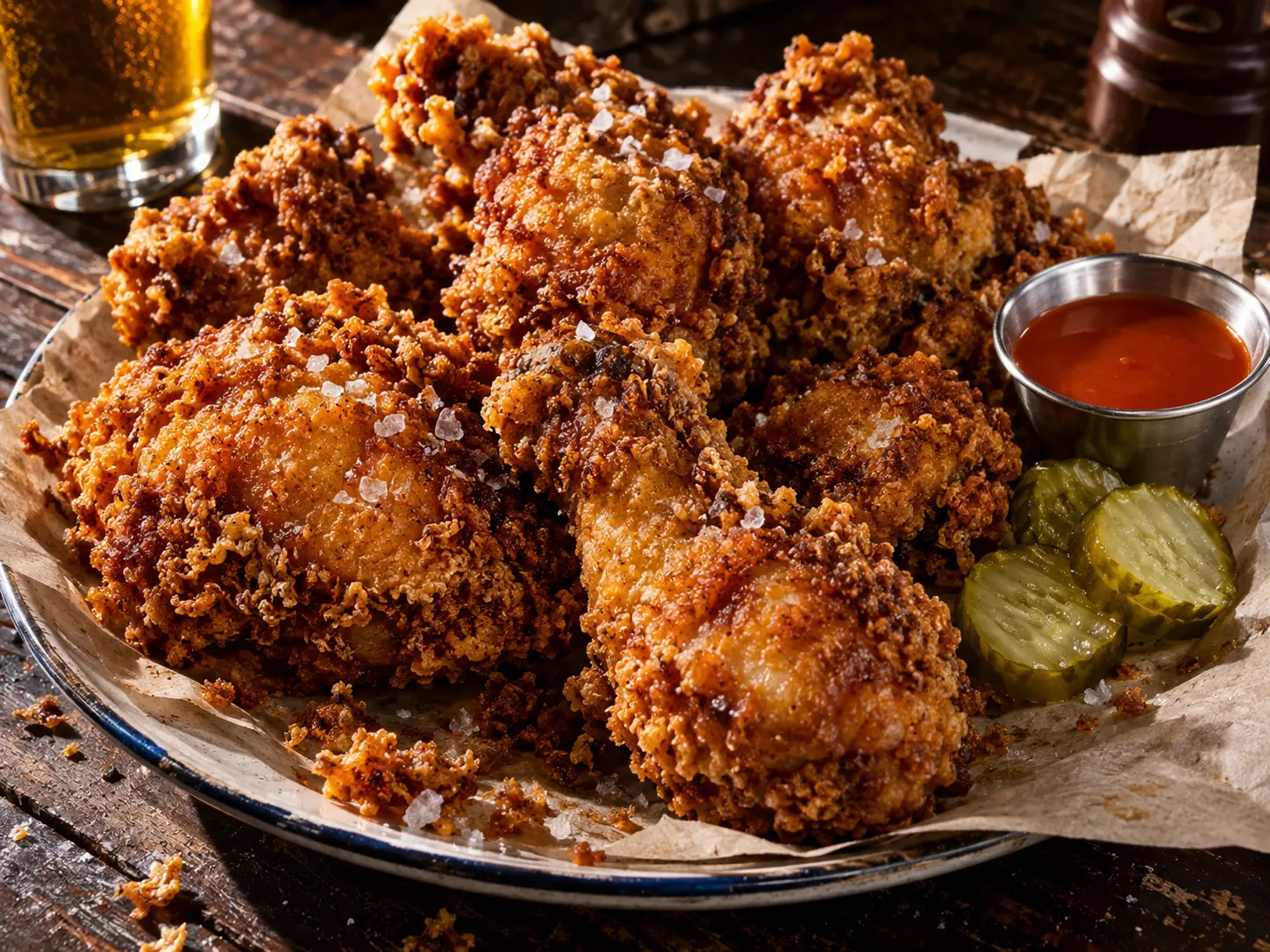 Craggy buttermilk fried chicken
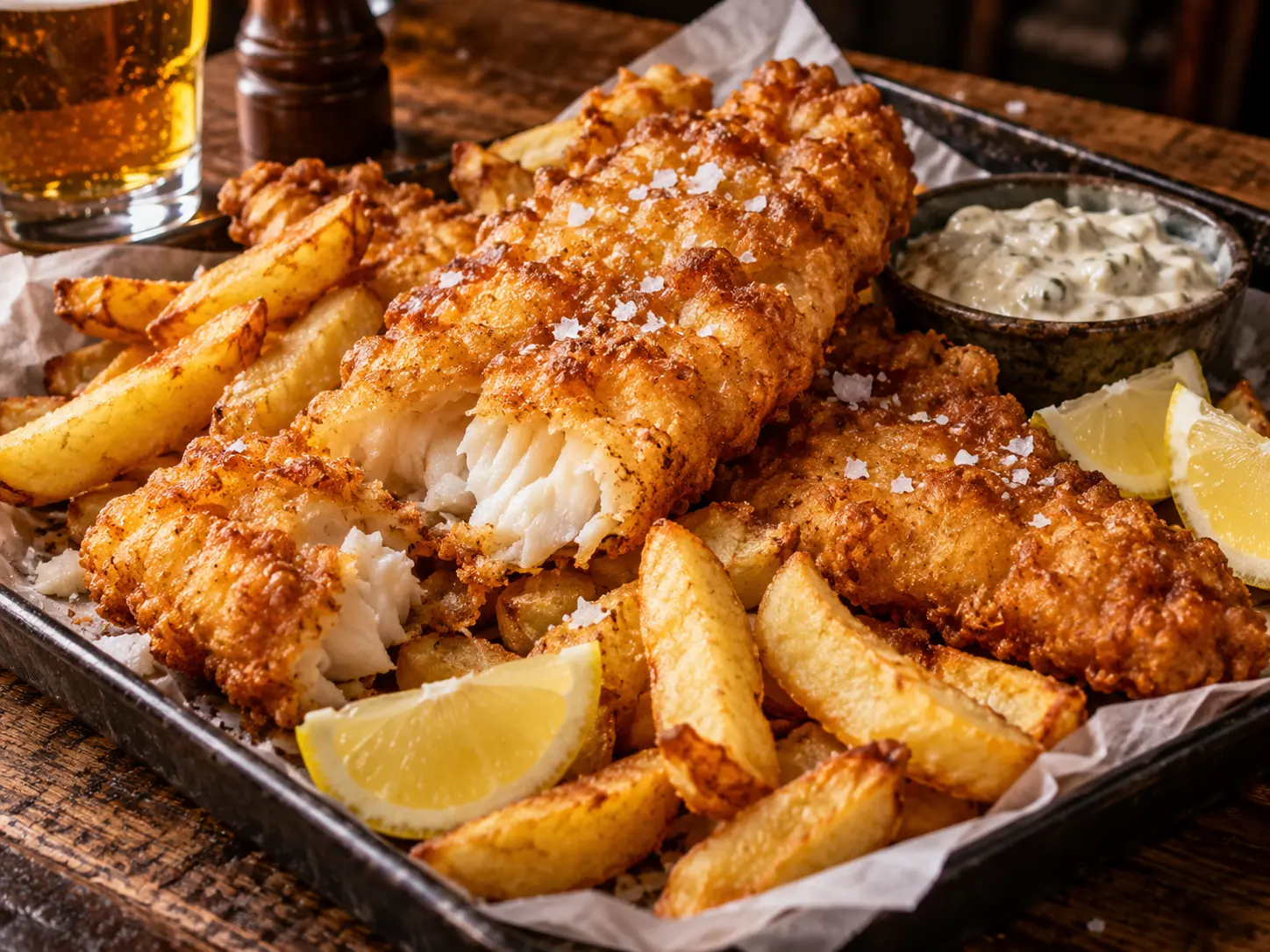 Pub-style fish and chips
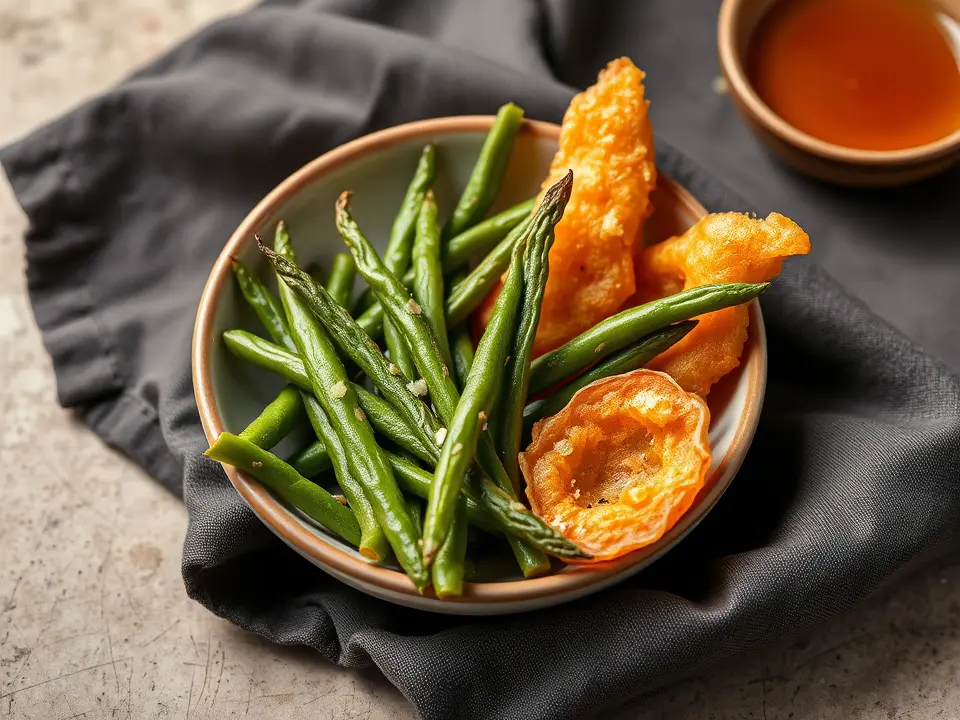 Quick vegetable tempura