
Why is my tempura heavy or doughy?
Tempura turns heavy when the batter develops gluten, warms up, or goes in too thick, and when the oil is too cool to set it quickly. Mix a loose batter with cold liquid only until combined, keep it cold, and fry small batches so the oil stays at the recipe temperature.
Likely causes, and how to tell them apart
The batter was overmixed
What you see: Smooth, elastic batter that coats thickly and fries up chewy.
The fix: Stir only until loosely combined. A few lumps are fine, and the quick vegetable tempura recipe says to expect them.
The batter warmed up
What you see: The batter thickened or went flat while you worked, and later pieces were heavier than the first.
The fix: Use ice-cold liquid, mix just before frying, and make a fresh small batch of batter rather than one big bowl that sits at room temperature.
Too much batter clung to the food
What you see: A thick, uneven shell that hides the vegetable or shrimp.
The fix: Dry the food, dust it lightly with flour so the batter has something to grip, and let the excess run off before lowering it into the oil.
The oil was too cool or the pot too crowded
What you see: Weak bubbling, a pale shell and a greasy feel.
The fix: Clip on a thermometer, fry a few pieces at a time, and let the oil recover between batches.
Fix it now
- For pieces already fried, rest them on a rack and warm them briefly in a hot oven to drive off surface moisture. A heavy shell will not turn lacy, but it will be crisper.
- For the next batch, whisk a fresh small portion of cold batter and fry fewer pieces at once.
Next time
- Follow the recipe temperature and check it with a thermometer.
- Keep the batter cold and mix it in small amounts.
- Drain on a rack, not paper, and serve promptly.
Quick questions
- Why use sparkling water in tempura batter?
- Our quick vegetable tempura recipe uses ice-cold sparkling water for a loose, cold batter. The cold and the thin consistency are what matter most for a light shell.
- Can I make tempura batter ahead?
- A loose batter is easiest to keep light when it is mixed just before frying, so we recommend making it fresh.
Go deeper
Try it in a recipe
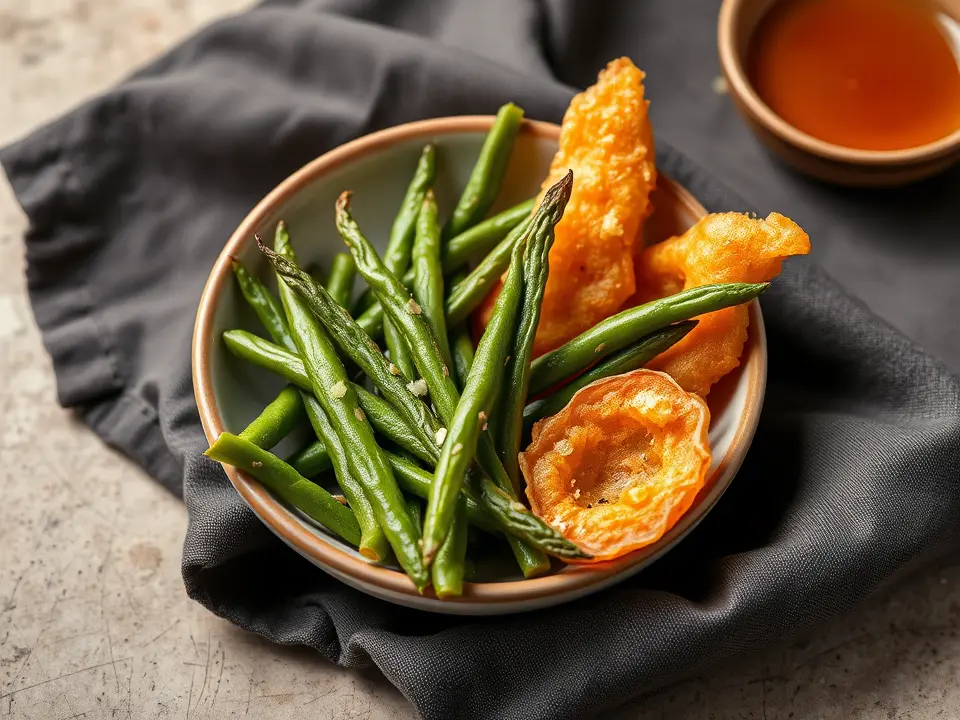 Quick vegetable tempura
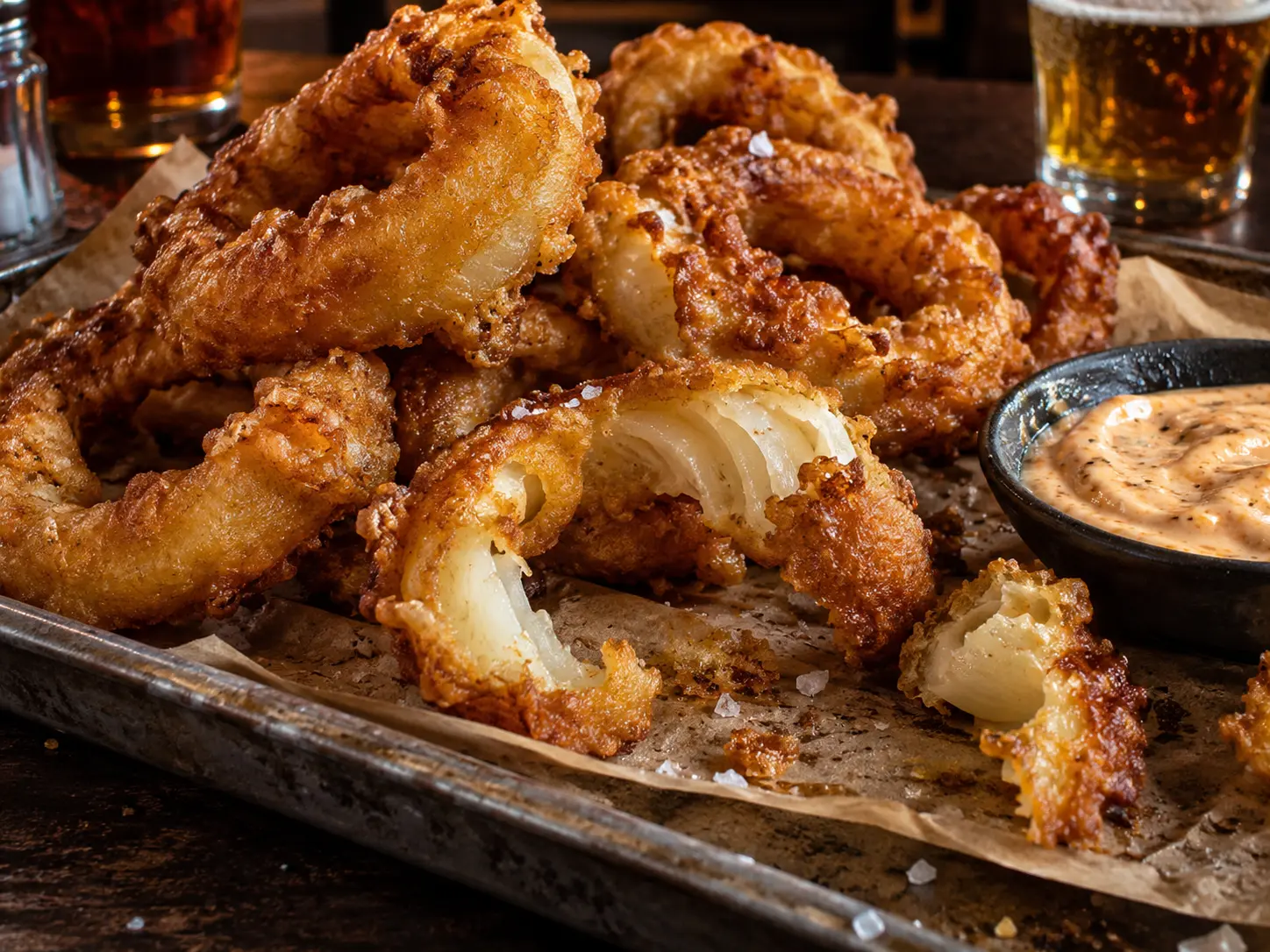 Proper crunchy onion rings
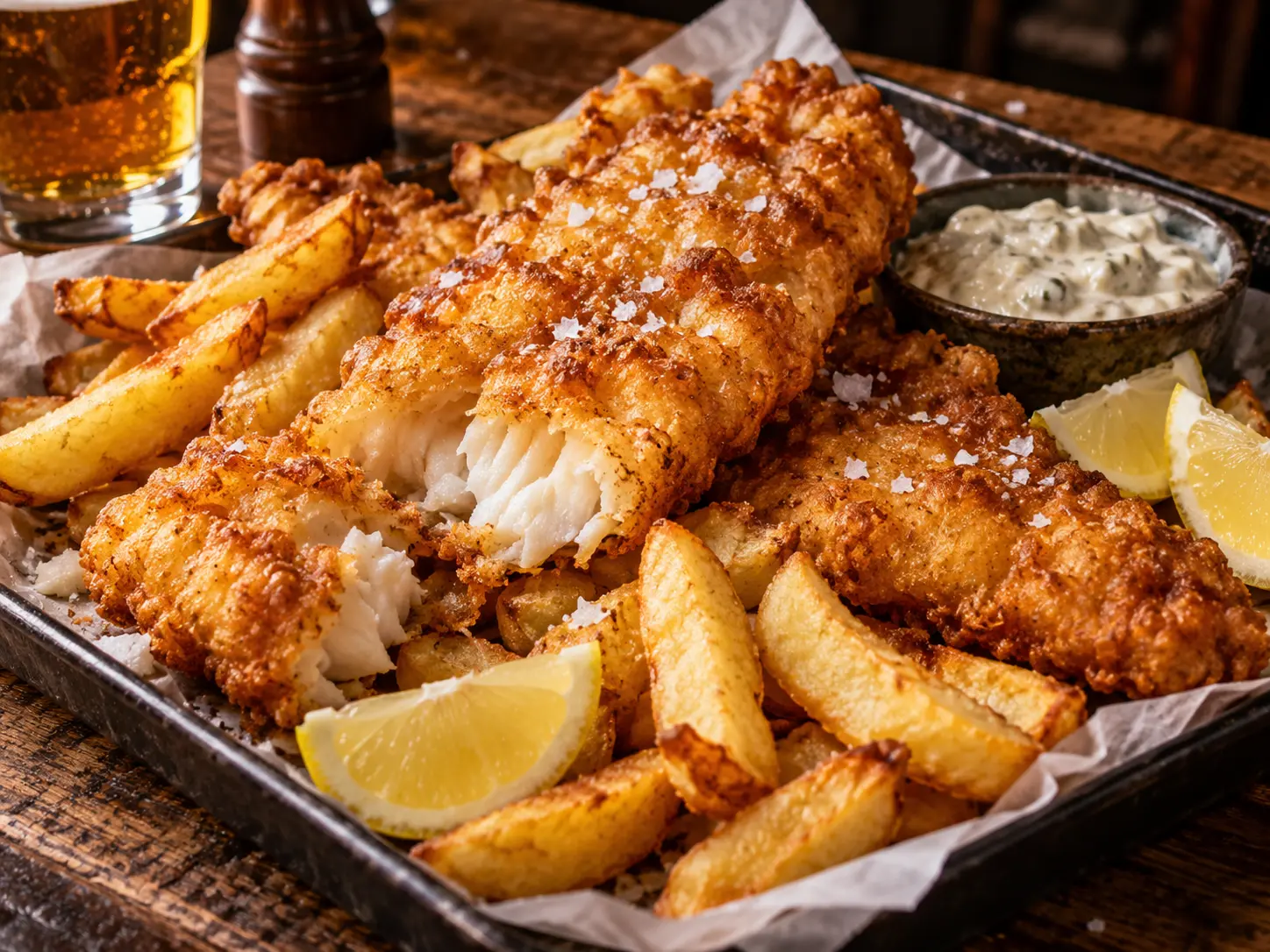 Pub-style fish and chips
Other problems
- Why is my fried chicken soggy?
- Why does batter or breading fall off fried food?
- Why is my fried food greasy?
- Why are my homemade french fries limp?
- How do you reheat fried food so it stays crispy?
- Why is my frying oil smoking?
- Why does frying oil foam or boil over?
- Why is my fried food dark outside and raw inside?