
Cool first, clean second
Nothing about cleanup is worth a burn. Turn the heat off, leave the pot or fryer where it is, and wait until the oil is completely cool before you move it or put anything wet near it. Water and hot oil do not mix, and a sink full of dishes is the wrong place to find that out. If you are not sure the oil is cool, it is not. What to do with used frying oil covers cooling, straining and storing it.
Get the fat out before the water goes in
Most of the mess in a greasy pot is fat, and fat is easier to move with paper than with water. Once the oil is out, wipe the inside of the pot or pan with a paper towel, pushing the film toward the middle and then into the trash. Do this for the lid, the tongs and any spider strainer too. The wash that follows then has far less to do, and far less fat ends up in your drain.
Wash a pot, pan or Dutch oven
- Use hot water and dish soap. Soap is what breaks up the remaining oil film, so use enough of it.
- A non-scratching scrubber is usually enough for stainless steel and enameled pots. Check the maker's care notes for anything with a coating.
- Cast iron has its own rules. Wipe it, wash it briefly, dry it right away and add a thin film of oil, rather than leaving it to soak.
- For a sticky brown residue that will not wipe off, fill the pot with hot soapy water and let it sit before scrubbing. Heating the pot again with water is a normal way to loosen stuck-on residue, but only once all the frying oil has been removed.
Countertop and basket fryers
Follow the manufacturer's manual for your model: it tells you which parts are removable, which can go in the dishwasher and which must never be submerged. As a general rule, unplug the unit, let it cool fully, empty the oil, wipe the tank and clean the basket, then dry every part thoroughly before putting it away. Water left in a fryer is a problem the next time you add oil. If you are weighing a fryer purchase, how simple the parts are to clean is a fair thing to look for. Air fryer vs deep fryer vs pan compares the methods.
Wipe the splatter
Splatter lands farther than you expect: backsplash, stovetop, the floor in front of the stove and the wall behind it. Wipe these while they are cool, first with a dry paper towel to lift the oil, then with a cloth and soapy water. Fat that is left alone gets sticky as it ages and collects dust, so it is easier to remove the same day. If you are cleaning splatter every time, why frying oil splatters lists the causes you can control, such as wet food and an overfilled pot.
Keep fat out of the drain
Fat can cool and harden inside pipes. Wipe pots first, pour used oil into a sealable container rather than the sink, and follow your local rules for disposal.
A short end-of-fry checklist
- Heat off, oil fully cool, nothing moved while hot.
- Oil strained and stored, or sealed and set aside for disposal.
- Pot, lid and tools wiped with paper, then washed.
- Stovetop and splatter zone wiped.
- Fryer parts completely dry before storage.
A clean station also makes the next fry calmer: a calm, safer frying setup builds on exactly this habit.
Put it into practice
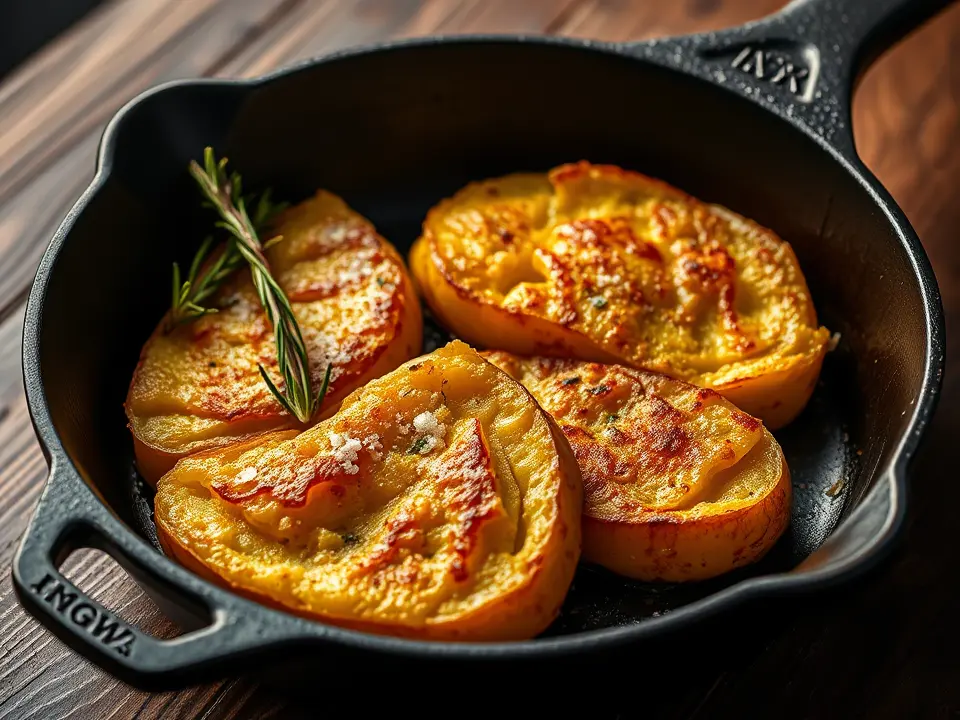 Crispy smashed potatoes
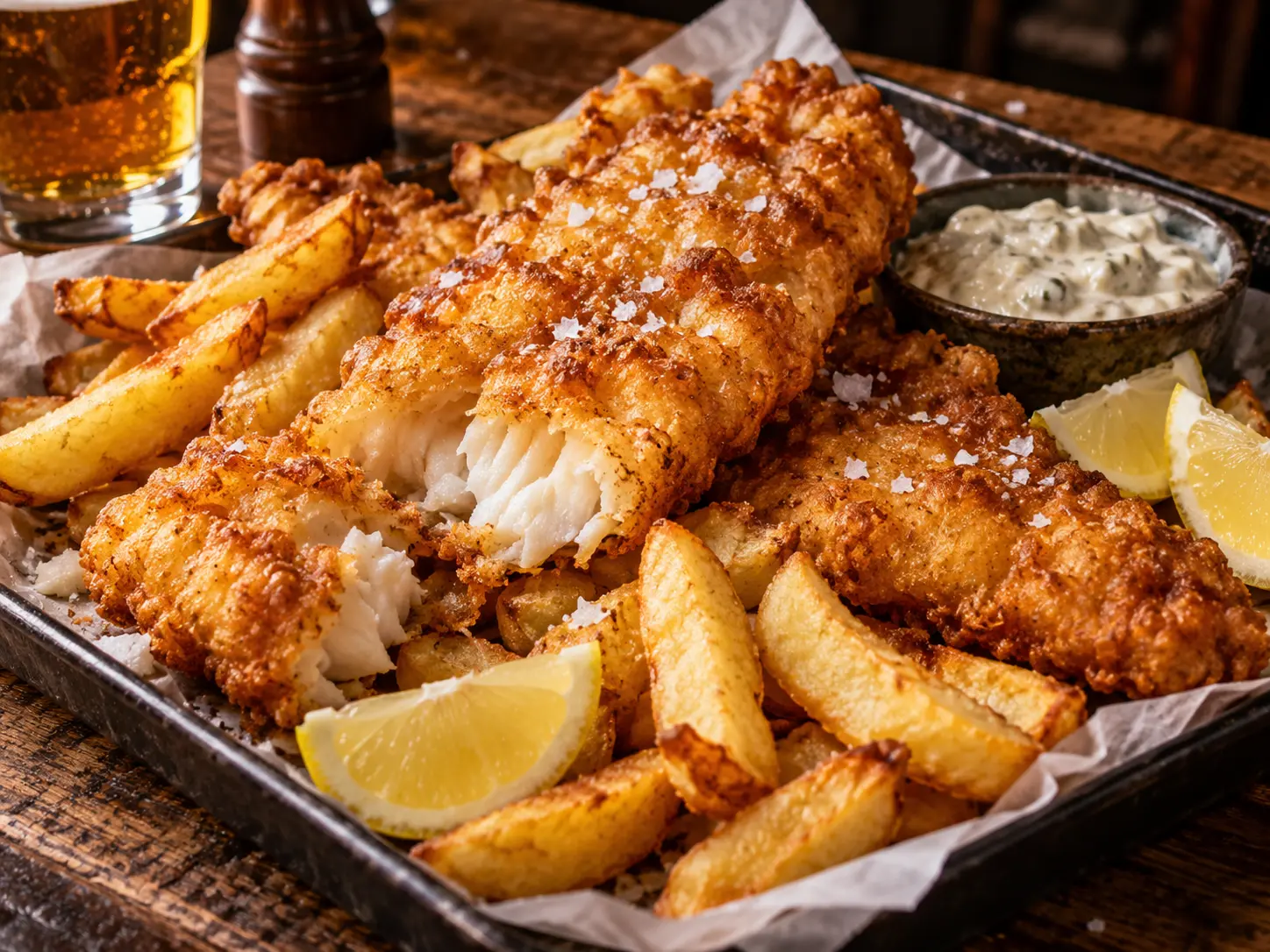 Pub-style fish and chips
Safety references
Check current guidance when cooking for food safety.