
The problem is steam
Fried food is crisp for a short time. As it sits, steam from the inside moves to the surface and softens the coating. Stacking pieces on a plate, or covering them, traps that steam. The goal while you finish the batch is to give steam somewhere to go. Why fried food turns soggy explains the mechanism in more detail.
Use a rack on a sheet pan
Set a wire rack over a rimmed baking sheet and move the finished pieces onto it in a single layer. Air reaches the bottom as well as the top, and the pan catches any drip. Paper towels on a plate absorb surface oil, which is useful for a moment, but a piece that sits on paper steams on its underside. If you only have towels, use a thin layer and move the food after a minute or so.
Hold it in a warm oven
Heat the oven to a low setting before you start the first batch and put the rack-and-pan setup in it. The oven keeps the food warm without cooking it further, and the dry air helps keep coatings crisp. Do not cover the food. Keep an eye on delicate items such as fish, which dry out sooner than a thick wing.
Season while it is hot
Salt and other dry seasonings stick best to a freshly fried surface that still has a thin film of oil. Season right after the food comes out of the oil, before it goes onto the rack. Sauces are different: toss wings or glaze pieces as late as you can, because wet sauces soften the coating quickly.
Do not skip the food-safety check
Holding does not replace cooking. Check that the food reached its safe internal temperature before it goes into the oven, such as 165°F for poultry and 145°F for fish according to the USDA chart. Hot food that stays out for long enough becomes a food-safety problem as well as a quality one; the two-hour rule for leftovers applies to fried food like any other.
Batch rhythm
Fry in batches small enough that the oil recovers between them, and the first batch will not be waiting long. If the oil is slow to recover, how to keep frying oil at temperature goes through why. If you are cooking fries in an air fryer, the French fries temperature and timing guide calls for batches in a single layer. Coatings differ in how long they stay crisp; batters vs breadings shows what to expect from each.
Reheating later
If there are leftovers, how to reheat fried food so it stays crispy covers the oven and air-fryer methods.
Put it into practice
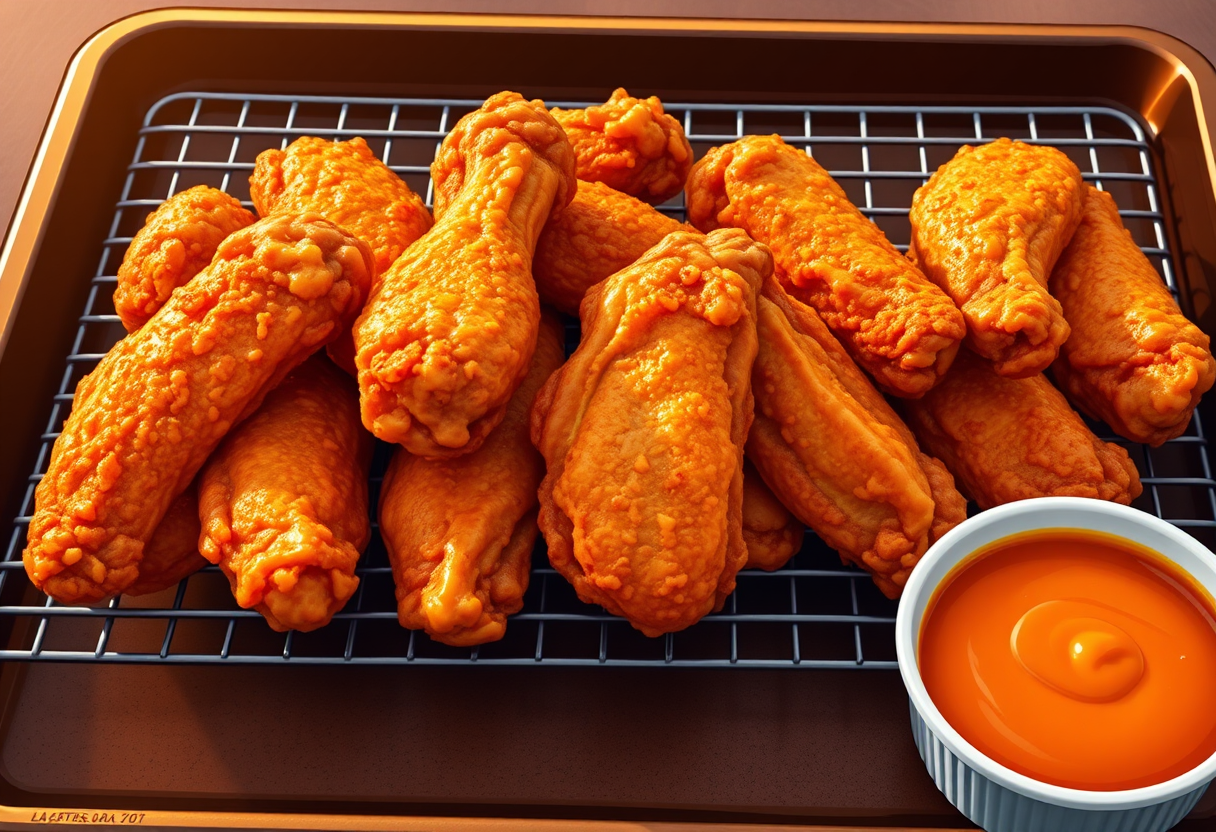 Crispy deep-fried chicken wings
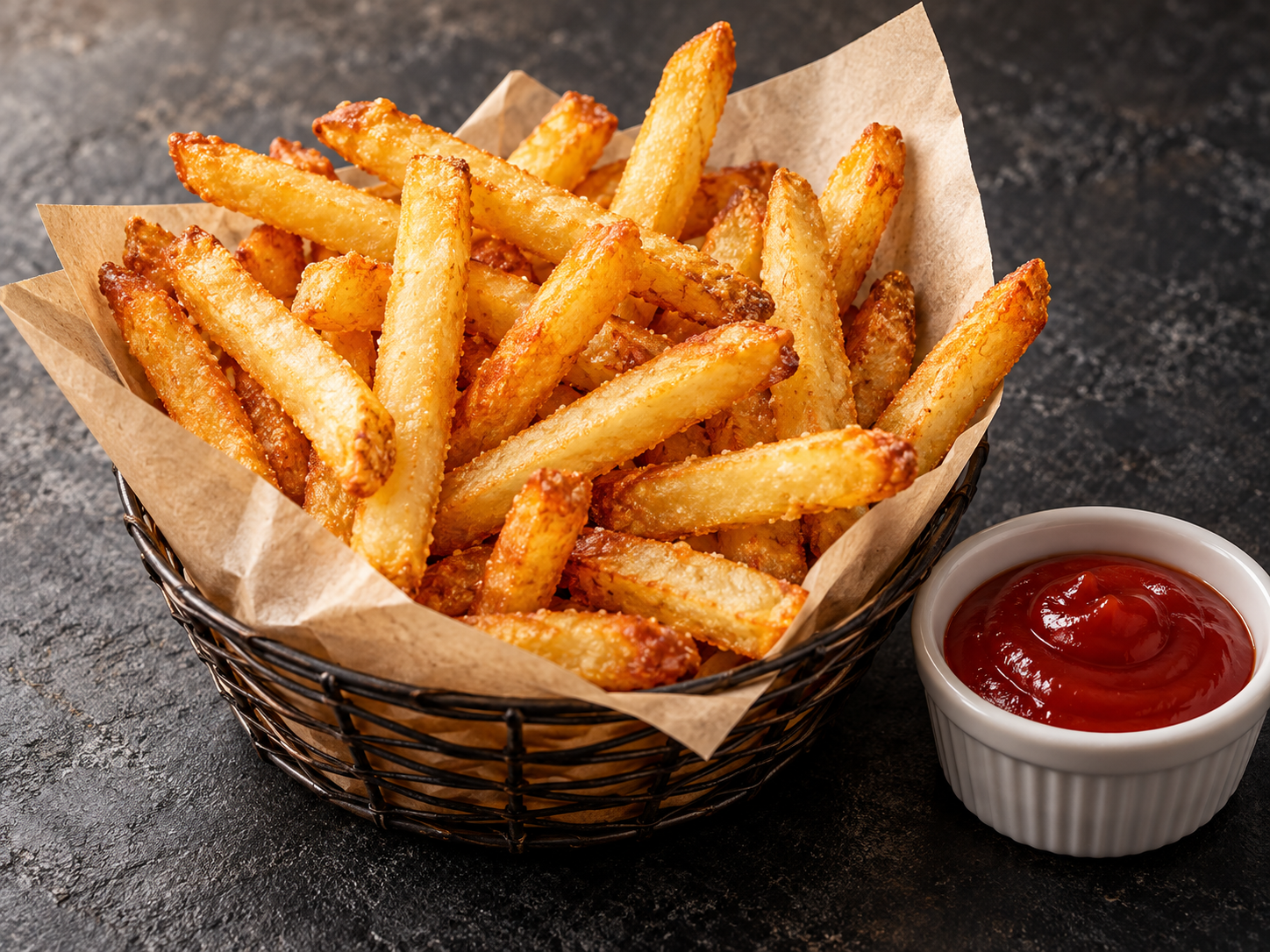 Classic crispy french fries
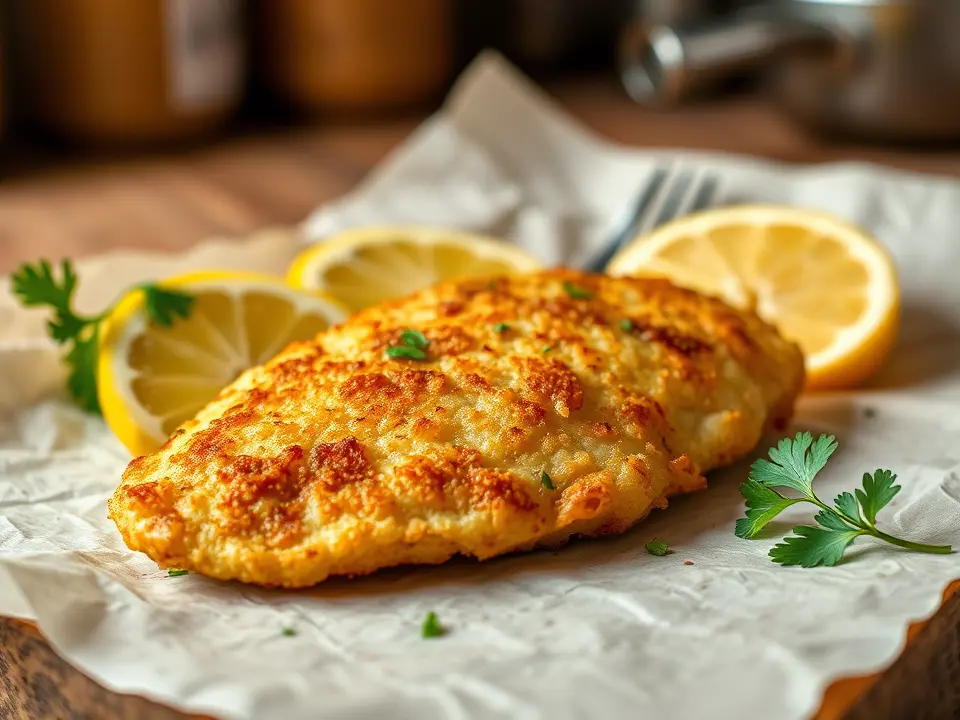 Golden chicken cutlets
Safety references
Check current guidance when cooking for food safety.