
Canola oil vs vegetable oil for frying
Both work. Here is when one choice makes practical sense over the other.
Either oil works for most frying. Canola oil has a neutral flavor and is a reliable default. Vegetable oil is typically a soybean-based blend with similar properties and is often cheaper. Use whichever is on hand; the oil temperature you hold matters more than which neutral oil you choose.
Canola oil
Pressed from canola (a variety of rapeseed), it has a neutral flavor and is suitable for high-heat cooking including deep-frying.
Pros
- Neutral flavor lets seasonings and breading carry the dish
- Widely available in most grocery stores
- Suitable for deep-frying, shallow frying and pan frying
- Lower in saturated fat than many frying oils
Cons
- Not an allergy concern itself, but some people watch refined canola for other health reasons
- Occasionally slightly more expensive than a store-brand vegetable oil
Best for: Everyday frying where neutral flavor is the goal
Vegetable oil
Usually a blend of soybean oil or other plant oils. The label "vegetable oil" covers several products, but most grocery-store versions behave like canola in the fryer.
Pros
- Often the least expensive neutral frying oil on the shelf
- Very neutral flavor, slightly milder than some canola brands
- Suitable for high-heat frying at typical home temperatures (350–375°F)
- Available in large containers ideal for deep-frying
Cons
- Soybean-based versions are an allergen for some people
- The label "vegetable oil" covers different blends; check the bottle for allergy info
Best for: Budget-conscious frying or when buying in bulk for a deep fryer
What both oils have in common
The USDA lists canola oil and vegetable oil among the oils suitable for deep-fat frying. Both are refined, neutral-flavored, and intended for high-heat cooking. In practice, you can substitute one for the other in any frying recipe without changing the technique or the result. The oil temperature you hold throughout frying matters far more than which of these two you pour in.
When to reach for canola
Canola is the better default if you fry a mix of things and want one oil that works for everything from delicate fish to fried chicken. It has a very clean finish and is easy to find in any size. If someone in the household has a soy allergy, canola is also the safer choice, since most vegetable oils are soy-based.
When vegetable oil makes sense
If you are filling a large deep fryer or doing a big batch of frying and cost is a factor, a store-brand vegetable oil is often a few dollars cheaper per gallon than canola. The frying result is the same. Check the allergy label if you are cooking for a group.
What neither oil handles
Both are neutral oils that provide no background flavor. If you want a flavor contribution from the fat, you need a different oil entirely: peanut oil for a traditional Southern fried chicken taste, or a small amount of butter stirred in for pan-sautéed dishes. For high-heat deep-frying, purer flavoring oils like olive oil are not the right fit because they can smoke at lower temperatures and carry a flavor that competes with the food.
How to tell if any oil is still good
Used oil that smells off, foams when hot, or looks dark and cloudy should be discarded. Both canola and vegetable oil can be strained through a fine-mesh sieve and stored in a sealed, light-proof container for later use, if they still smell clean after frying. Discard oil after one or two uses for strong-flavored foods like fish or after it has been heated many times.
Frequently asked questions
- Can I mix canola oil and vegetable oil for frying?
- Yes. Mixing two neutral oils with similar properties does not create any safety or flavor issue. The result behaves like either oil on its own.
- Which oil makes crispier fried food?
- Neither oil produces noticeably crispier food than the other. Crispiness depends on temperature, batter or coating, surface moisture, and batch size, not on whether you chose canola or vegetable oil.
- Is canola oil or vegetable oil better for deep frying at home?
- Both are equally suitable for deep-frying at typical home temperatures of 325–375°F. Choose based on availability, cost, and any allergy considerations in your household.
- What is the smoke point of canola and vegetable oil?
- Smoke points for refined neutral oils vary by brand and refining level, so a single figure is less useful than what you see in the pot. Use a deep-fry thermometer and reduce heat if the oil starts to smoke. Both oils are formulated to handle typical frying temperatures without smoking when used correctly.
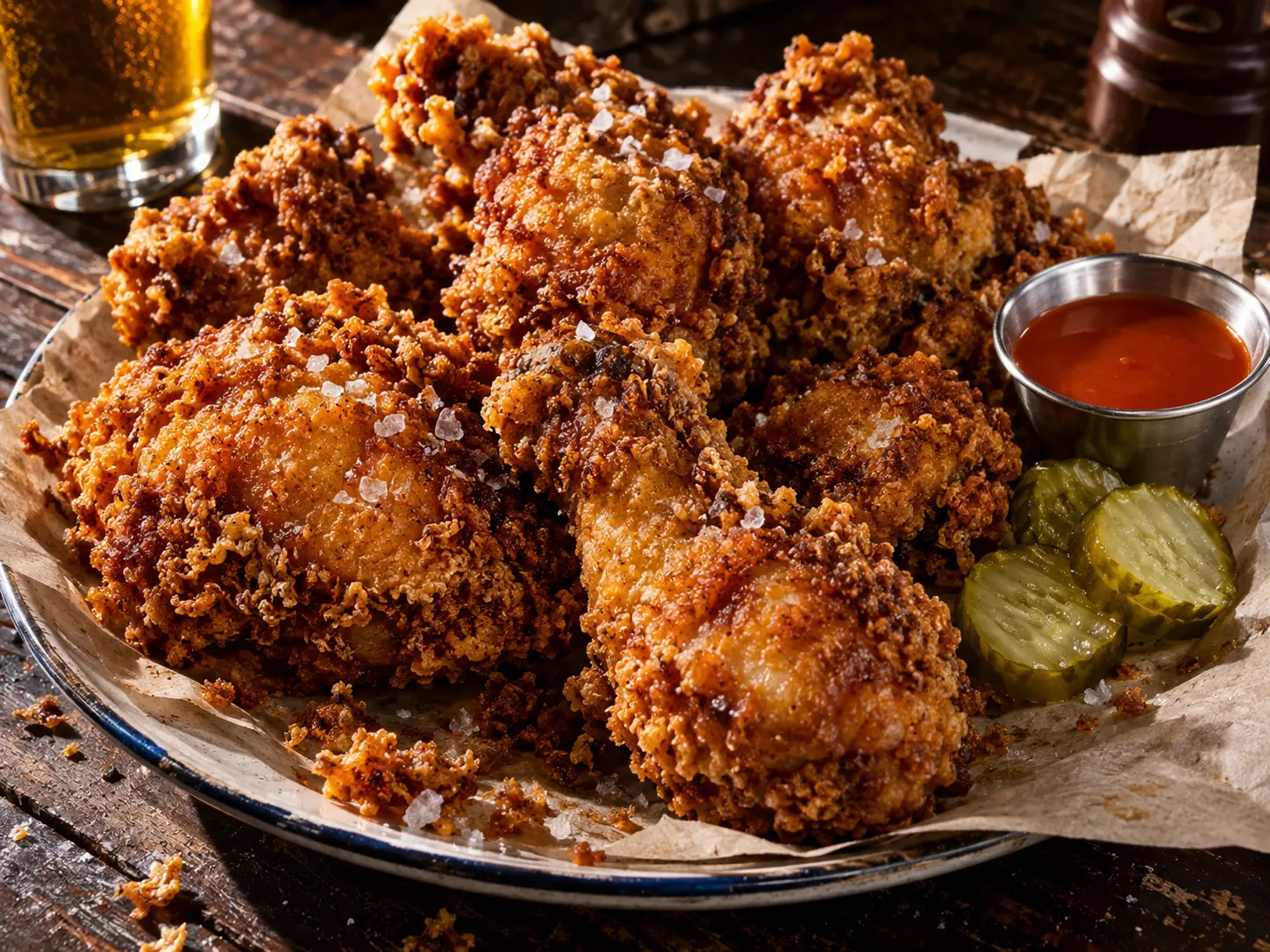 Craggy buttermilk fried chicken
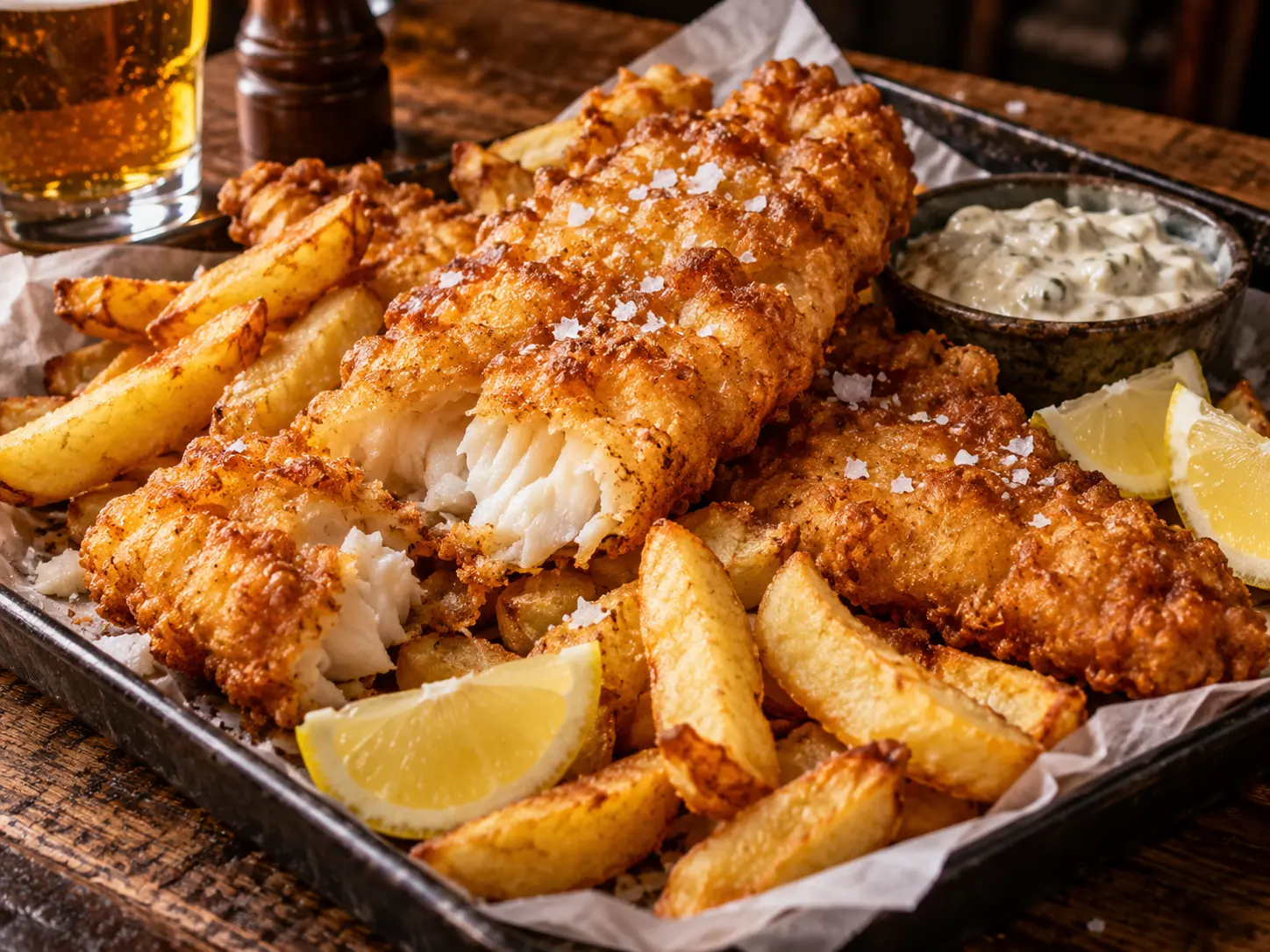 Pub-style fish and chips
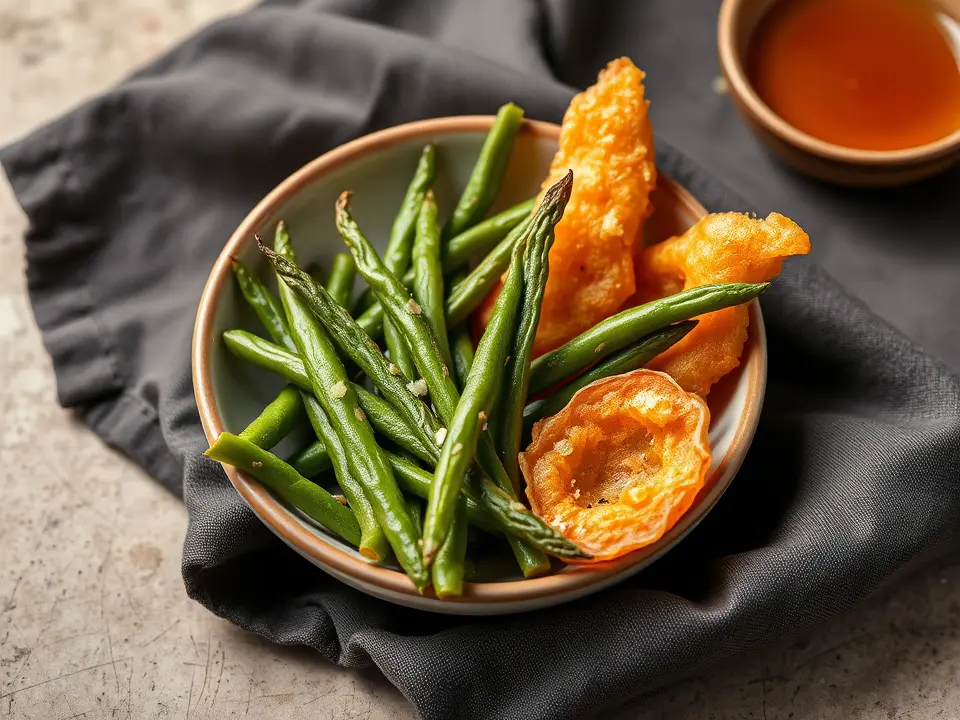 Quick vegetable tempura